
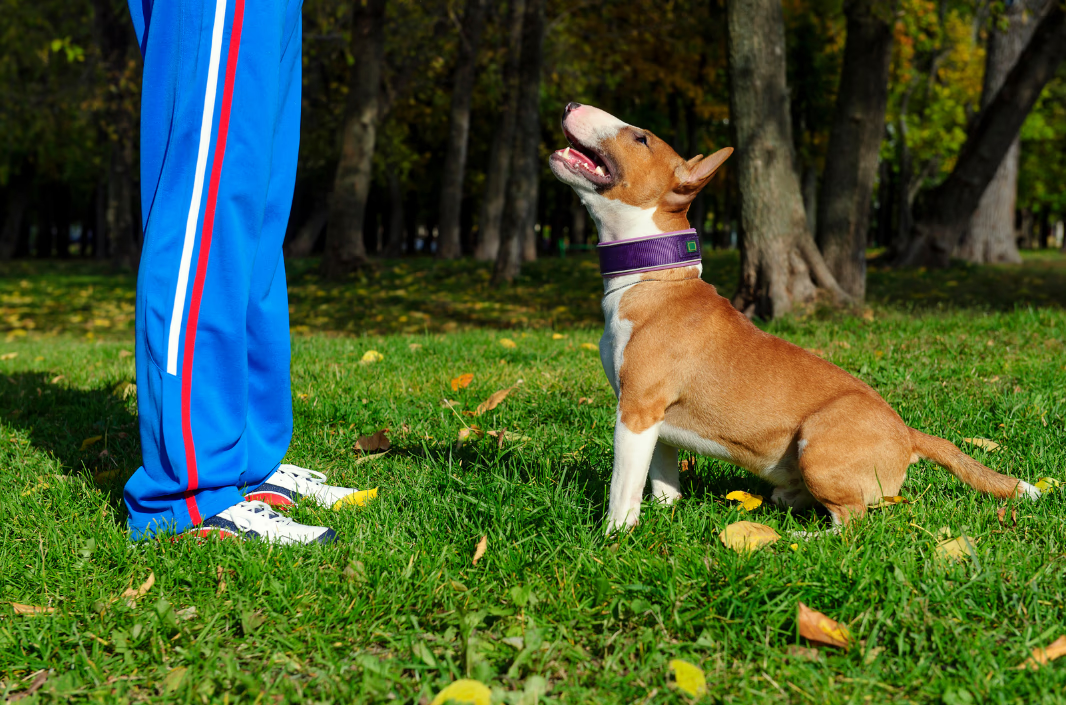
A well-trained dog is more confident, safer, and easier to live with. Professional dog training services provide the structure and guidance needed to help dogs develop reliable behaviors while giving owners the skills to communicate more effectively. Whether welcoming a new puppy or working through long-standing behavioral challenges, consistent training creates stronger relationships built on trust, understanding, and mutual respect.
Many owners believe training is only about teaching commands. In reality, successful training develops lifelong habits that improve daily life for both dogs and their families. By following proven training methods, such as those emphasized by Rob’s Dog Training, owners can better understand why dogs behave the way they do and respond with consistency rather than frustration, leading to lasting improvements.
Why Dog Training Is About Communication
Dogs learn through repetition, consistency, and clear expectations. Training is not about controlling a dog’s personality. Instead, it teaches dogs how to make appropriate choices in different situations while helping owners communicate in ways their dogs understand.
Professional dog training focuses on building skills that fit naturally into everyday life. Rather than relying on occasional practice sessions, effective training encourages learning during walks, meals, playtime, greetings, and other daily routines.
When communication improves, owners often notice benefits that extend beyond obedience. Dogs become more relaxed because they understand expectations, while owners gain confidence in handling a variety of situations.
How Professional Dog Training Services Support Long-Term Success
Every dog has unique learning needs based on age, temperament, breed tendencies, previous experiences, and environment. Professional trainers adjust their approach to match each dog’s individual learning style instead of following a one-size-fits-all program.
Effective dog training services commonly help owners with:
- Basic obedience skills
- Reliable recall
- Loose leash walking
- Appropriate greeting behavior
- Household manners
- Socialization skills
- Confidence building
- Impulse control
- Focus around distractions
- Problem behavior management
Training becomes more successful when owners participate throughout the learning process. Dogs spend most of their lives at home, making owner consistency one of the biggest factors influencing long-term results.
Building Strong Foundations During Puppyhood
Puppies experience rapid learning during their first months of life. Early experiences help shape future behaviors, making this an ideal time to establish healthy habits.
Early training often includes:
- Name recognition
- Basic commands
- Crate training
- Potty training routines
- Gentle handling exercises
- Socialization experiences
- Positive exposure to new environments
Starting early does not mean expecting perfection. Instead, puppy training focuses on gradually introducing new experiences while rewarding desirable behaviors.
A strong foundation often prevents many common behavioral issues from becoming long-term habits.
Addressing Behavior Problems Before They Become Permanent
Behavioral concerns rarely appear overnight. Small unwanted habits can gradually become more difficult if they are unintentionally reinforced over time.
Professional trainers frequently help owners manage behaviors such as:
- Excessive barking
- Jumping on guests
- Pulling on the leash
- Poor recall
- Chewing household items
- Counter surfing
- Resource guarding
- Fear-based reactions
- Reactivity toward other dogs
Addressing these behaviors early often requires identifying the cause rather than simply correcting the visible behavior. Understanding motivation allows training plans to address the root issue more effectively.
Why Consistency Matters More Than Intensity
Many owners believe long training sessions produce faster results. In reality, dogs often learn more effectively through frequent, short practice sessions.
Consistency creates predictable expectations that help dogs understand which behaviors lead to rewards. Even five to ten minutes of focused training several times a day can produce meaningful improvements.
Consistency also extends beyond formal practice. Every interaction teaches something. Family members who follow the same expectations create a clearer learning environment than inconsistent responses.
Everyday Opportunities to Reinforce Good Behavior
Training should become part of normal daily life rather than something reserved for scheduled sessions.
Owners can reinforce good behavior by practicing:
- Waiting politely before meals
- Sitting before opening doors
- Walking calmly during neighborhood walks
- Remaining relaxed while visitors arrive
- Settling quietly during family activities
- Responding to recall during play
These everyday situations strengthen behaviors that naturally fit into the dog’s routine.
Positive Reinforcement Builds Reliable Learning
Modern training emphasizes rewarding behaviors owners want repeated. Positive reinforcement helps dogs associate good decisions with positive outcomes, encouraging them to repeat those behaviors more consistently.
Rewards may include:
- Food treats
- Praise
- Toys
- Play
- Affection
- Access to enjoyable activities
Reward timing matters just as much as the reward itself. Immediate reinforcement helps dogs clearly understand which behavior earned the reward.
As behaviors become more reliable, rewards can gradually become less predictable while maintaining strong performance.
The Owner’s Role in Successful Training
Even the best training program depends on owner involvement. Dogs learn through repetition across thousands of daily interactions, making owner participation essential.
Owners support training success by:
- Following consistent routines
- Using clear verbal cues
- Rewarding desired behaviors promptly
- Remaining patient during setbacks
- Practicing regularly
- Avoiding mixed signals
Progress is rarely perfectly linear. Dogs may perform well in familiar environments before needing additional practice around distractions. Patience allows learning to generalize naturally.
Socialization Is More Than Meeting Other Dogs
Many people assume socialization simply means allowing dogs to interact with other dogs. Effective socialization actually involves helping dogs become comfortable with many different experiences.
Healthy socialization may include exposure to:
- Different people
- Various environments
- Household noises
- Veterinary handling
- Vehicles
- Children
- Outdoor settings
- Walking surfaces
- Everyday sounds
The goal is not constant interaction but building calm confidence in unfamiliar situations.
Choosing the Right Training Approach
Selecting professional training involves more than comparing prices or program lengths. Owners should evaluate how well a training approach matches their goals and their dog’s needs.
Consider asking:
- Does the program include owner education?
- Are training plans customized?
- Is progress evaluated regularly?
- Are realistic expectations discussed?
- Does the trainer explain the reasoning behind recommendations?
- Will the learned behaviors be practical for everyday life?
Training works best when owners understand not only what to do but also why certain techniques are effective.
Measuring Progress Beyond Commands
Many owners judge training solely by whether a dog performs commands. While obedience is important, meaningful progress often appears in many other areas.
Positive signs include:
- Faster recovery from distractions
- Increased confidence
- Better focus around people
- Improved impulse control
- Calmer greetings
- More relaxed behavior at home
- Improved leash manners
- Stronger owner engagement
These improvements contribute to a better quality of life for both dogs and their families.
Maintaining Training Throughout a Dog’s Life
Learning does not end after completing a training program. Like any skill, behaviors remain stronger when practiced regularly.
Owners can maintain progress by:
- Continuing short practice sessions.
- Introducing new environments gradually.
- Reinforcing good choices consistently.
- Refreshing previously learned commands.
- Providing appropriate mental enrichment.
- Adjusting expectations as life circumstances change.
Ongoing practice helps dogs remain responsive as they encounter new experiences throughout adulthood.
Final Thoughts
Professional dog training services provide far more than obedience instruction. They create opportunities for better communication, stronger relationships, and improved everyday living. By combining consistent practice, positive reinforcement, owner involvement, and individualized guidance, dogs can develop reliable behaviors that last throughout their lives.
For owners seeking experienced guidance, Rob’s Dog Training offers personalized training programs designed to help dogs and their families build confidence, improve communication, and enjoy a more rewarding life together. Learn more by visiting https://robsdogs.com/.