
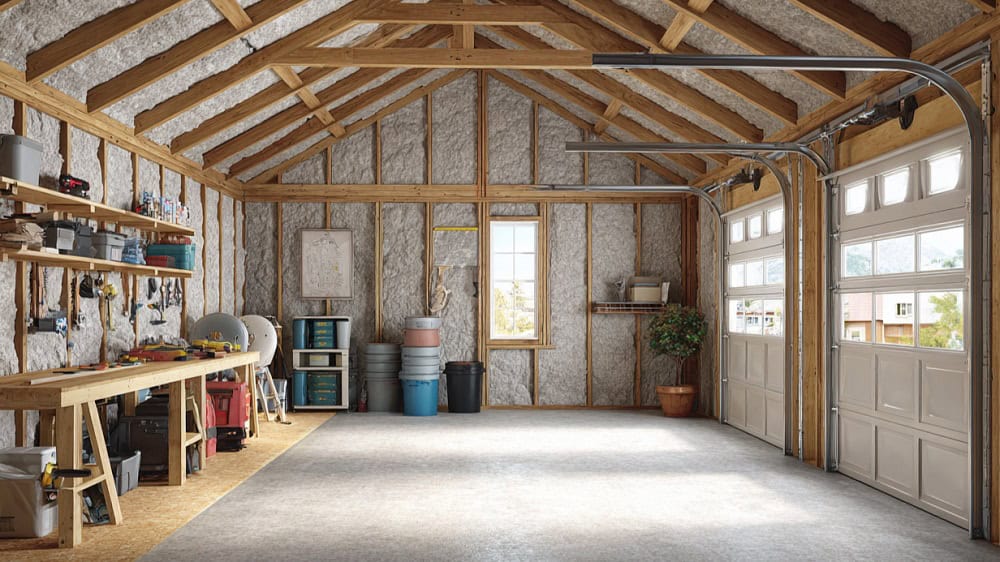
Cold tools, sweating wall sheathing, and a floor that feels like a slab of ice can turn a useful garage into a place you avoid for half the year. A smart garage wall insulation plan changes that without forcing you to rebuild the whole space from scratch. For many U.S. homeowners, the garage doubles as a woodworking corner, bike repair area, gym bench, garden station, or weekend project zone, yet the walls were never built for comfort. That gap matters. Once you start storing finishes, batteries, adhesives, lumber, or metal tools out there, temperature swings become more than an annoyance. They affect how the room works. A retrofit needs clear thinking before any material goes into the wall, and resources like home improvement planning guides can help homeowners think beyond quick fixes. The best result comes from matching the wall assembly, climate zone, moisture risk, and daily use of the workshop instead of copying what worked in someone else’s garage.
Why an Unheated Garage Workshop Fails Before the Walls Are Fixed
A garage used as a workshop has a different job than a garage used only for parking. Cars tolerate cold better than people, power tools, stored paint, and weekend projects. That is why unheated workshop insulation starts with how the space behaves, not with a random roll of batts from the store.
Reading the Room Before You Open the Wall
The first clue is often the wall surface itself. Bare studs, stained sheathing, gaps near outlets, dusty corners, and spiderweb trails around framing joints all tell you air is moving. Heat loss is not only about the wall cavity. It is about every crack that lets outdoor air slide into the room.
A homeowner in Ohio may feel the problem as bitter winter air along the bottom plate. Someone in Arizona may care more about afternoon heat baking the west wall. Both are garage problems, but they are not the same problem. Copying one solution across both homes is how money gets wasted.
The counterintuitive part is that the coldest wall is not always the wall that needs the most material. A drafty rim, a leaky service door, or a badly sealed sill can make good batts perform like a thin blanket in the wind. Air sealing often does more than adding extra thickness.
Why Workshop Use Changes the Retrofit Plan
A workshop creates dust, noise, fumes, vibration, and sometimes moisture. That means the wall has to support more than comfort. It may need blocking for cabinets, safer wiring access, durable interior panels, and better control around outlets and penetrations.
This is where garage retrofit insulation needs a different mindset than attic work. You are not filling a hidden space and walking away. You are shaping a room that will take abuse from ladders, sheet goods, clamps, storage bins, and rolling tool carts.
A Denver homeowner turning a two-car garage bay into a ski-tuning bench may care about winter stability and gear drying. A Florida homeowner using the garage for model building may fight humidity and heat. The wall system must serve the work that happens inside, not a generic comfort rating.
Choosing Materials That Match the Wall, Climate, and Budget
Material choice gets too much attention and not enough context. Fiberglass, mineral wool, foam board, spray foam, and dense-pack products all work in the right setting. None of them fixes a poor plan. The better question is what your wall needs to resist: air movement, heat flow, moisture, impact, or all four.
Fiberglass, Mineral Wool, and Foam Board Without the Guesswork
Fiberglass batts remain common because they are cheap, easy to find, and simple to install between open studs. They can work well when cut neatly and paired with careful air sealing. The problem comes when batts are stuffed around wires, crushed behind boxes, or left gapped at the edges.
Mineral wool costs more, but it is denser, cuts cleanly, and handles odd cavities better. It also brings good sound control, which matters when a miter saw or compressor shares a wall with a living room. For attached garages, that acoustic benefit can feel like a comfort upgrade even before winter arrives.
Foam board shines when you need a thermal break over studs or masonry. In older garages with block walls or exposed framing, rigid panels can reduce heat loss through framing members. The catch is fire safety. Many foam products need approved thermal protection on the interior side, so local code cannot be treated as a footnote.
When an Exterior Wall Retrofit Needs Moisture Discipline
An exterior wall retrofit can fail if moisture gets trapped in the wrong layer. That sounds dramatic, but the mechanics are plain. Warm indoor air carries moisture. Cold surfaces can turn that moisture into condensation. Once that happens inside a wall, wood and paper-faced drywall become vulnerable.
Climate drives the risk. In Minnesota, winter vapor movement may push from indoors toward cold sheathing. In coastal Texas, humid outdoor air may push inward during long cooling seasons. The same plastic vapor barrier that helps in one place can create trouble in another.
Smart retrofits respect drying potential. Kraft-faced batts, smart vapor retarders, closed-cell foam, rigid exterior layers, and vented rainscreens all have roles, but they are not interchangeable stickers on a product shelf. The best wall lets moisture escape in at least one safe direction.
Building the Retrofit in the Right Order
A good wall assembly has a sequence. Skip the order and the finished space may look better while performing almost the same as before. The work should move from inspection to air sealing, then cavity fill, then interior protection, then final comfort details.
Seal Air Leaks Before Adding Cavity Fill
Air leaks steal performance faster than most homeowners expect. Gaps around the top plate, bottom plate, corners, outlet boxes, hose bibs, conduit runs, and service penetrations can carry more heat loss than a small underfilled cavity. Foam, caulk, gaskets, and careful detailing matter here.
Workshop temperature control starts at these hidden seams. A wall that blocks air movement will feel calmer, even if the heating source is small. A portable electric heater or mini-split has less work to do when the room is not bleeding air through every joint.
One practical test is simple. On a windy day, move your hand around the wall edges, outlets, and sill areas. Cold movement tells you where the retrofit begins. The fancy material comes later.
Protect the Inside Face for Real Workshop Life
Drywall is standard, but it is not the only interior finish. Fire-rated drywall may be required between an attached garage and living space, and that rule deserves respect. Detached workshops may allow more options, but local codes still matter.
Plywood, OSB, slatwall, and impact-resistant panels can make a workshop easier to use. They hold hooks, shelves, and tool racks without hunting for studs every time. The wall becomes part of the work system instead of a delicate painted surface you are afraid to touch.
There is a tradeoff. Wood panels may need a code-approved layer behind them in certain attached garages. They also change how the wall dries. A solid finish can trap moisture if the cavity behind it was assembled without thought. Good workshop walls are tough, but they are not careless.
Comfort, Safety, and Long-Term Payoff After the Retrofit
Once the walls are improved, the workshop starts acting like a room instead of leftover space. That does not mean it becomes a fully heated living area. It means the temperature changes more slowly, tools feel better in your hand, and short work sessions stop feeling like a fight.
Balancing Heat Sources With the New Wall System
A retrofitted wall does not create heat. It keeps more of the heat you add. That means a small heater may perform better after the upgrade, but it still needs safe clearances, proper wiring, and a realistic target temperature.
Many homeowners make the mistake of insulating the walls and ignoring the garage door. A thin metal overhead door can wipe out gains from wall work, especially in a windy driveway. Door panels, weatherstripping, and bottom seals deserve attention once the wall cavities are under control.
Garage retrofit insulation also changes how long the room holds comfort after the heater shuts off. That matters for short evening work. If you spend 90 minutes fixing a bike, sharpening tools, or sanding cabinet doors, you want the space to settle into comfort fast and stay there long enough to matter.
Planning the Next Layer: Storage, Power, and Durability
The best time to think about outlets, lighting, cabinets, and dust collection is before the wall gets closed. Running a new circuit later can mean cutting into fresh surfaces. Adding blocking before finish panels go up can save years of frustration.
Unheated workshop insulation also protects the small things people forget: glue bottles, batteries, finishes, sandpaper, leather gloves, and measuring tools. Stable conditions do not make a garage perfect, but they reduce the kind of damage that sneaks up quietly.
A strong retrofit should leave room for future changes. Maybe you add a mini-split next year. Maybe you build a miter station or hang bikes on a rail. Walls that were planned with power, blocking, and finish strength will grow with the workshop instead of trapping you inside your first layout.
Conclusion
A garage workshop does not need to feel like a shed with a concrete floor. It can become a practical, steady, usable space when the walls are treated as a system instead of a weekend patch job. The smartest retrofit begins with air leaks, wall condition, climate, and the work you plan to do inside. Material comes after that.
The homeowners who get the best results are not always the ones who spend the most. They are the ones who respect the sequence, seal the weak spots, choose materials that match their region, and finish the walls for real use. That is the quiet power of garage wall insulation: it turns wasted square footage into a space that earns its keep through every season.
Start with one wall, one leak, and one clear plan before buying anything by the cartload. Build the workshop like you expect to use it for years, because a garage that finally feels workable will pull you back out there again and again.
Frequently Asked Questions
What is the best insulation for an unheated garage workshop?
Mineral wool and fiberglass batts both work well in open stud walls when installed neatly with air sealing. Foam board can help on masonry or where a thermal break is needed. The best choice depends on climate, wall type, code rules, and how you use the workshop.
Should I insulate garage walls if I do not heat the space?
Yes, if you use the garage as a workshop, storage area, or hobby space. Insulation slows temperature swings, reduces drafts, and helps protect tools and materials. Without a heat source, it will not make the room warm, but it can make conditions less harsh.
Do garage workshop walls need a vapor barrier?
Some climates need vapor control, while others can be harmed by the wrong barrier. Cold northern areas often have different needs than humid southern regions. Check local building guidance before adding plastic sheeting, because trapped moisture can damage framing and sheathing.
Can I insulate exterior garage walls without removing drywall?
Yes, but options are limited. Dense-pack products can sometimes be added through small holes, and rigid foam can be added over interior surfaces if code allows. Removing drywall gives better access for air sealing, wiring updates, blocking, and inspection.
How much does a garage wall insulation retrofit cost?
Cost depends on garage size, wall condition, material, labor, and finish choice. DIY batt projects are often cheaper, while spray foam, dense-pack work, and new interior panels cost more. Electrical updates, drywall repair, and code-required fire protection can raise the final price.
Is spray foam worth it for garage workshop walls?
Spray foam can be worth it where air sealing, limited cavity depth, or moisture control is a major concern. It costs more than batts and must be installed correctly. In many garages, careful air sealing plus mineral wool or fiberglass gives a strong result for less money.
What should I fix before insulating garage walls?
Fix leaks, rot, pest damage, unsafe wiring, missing blocking, and major air gaps before adding material. Also inspect the garage door seals, sill areas, outlets, and corners. Covering problems inside the wall can make repairs harder and more expensive later.
Will insulating garage walls help with summer heat?
Yes, insulation can slow heat gain through sun-exposed walls and make the space more stable. It works better when paired with air sealing, shade, roof ventilation, and a better garage door seal. In hot regions, moisture control and ventilation need as much attention as R-value.