
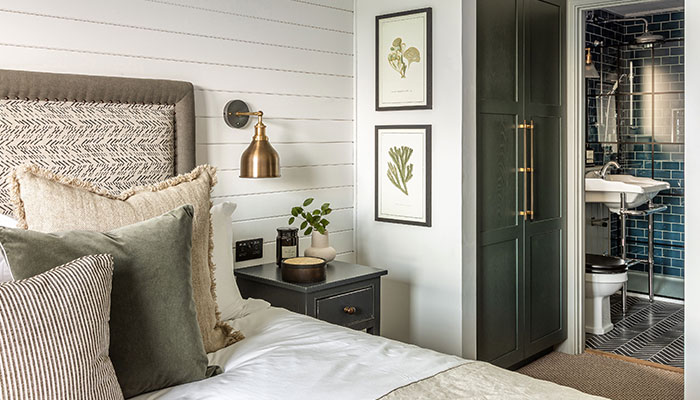
A plain drywall wall can make even a furnished room feel unfinished. The right living room shiplap project changes that fast because it adds texture, shadow, and a sense of purpose without turning the room into a full remodel. For many U.S. homeowners, that matters because the living room does more than hold a sofa. It carries guests, movie nights, holiday photos, and the everyday mess of real family life. Before you buy boards or open a paint can, treat the wall like a small construction job, not a weekend craft. That mindset saves money, time, and a lot of crooked lines. A smart home improvement planning guide can help you think through cost, layout, and finish before the first nail goes in. Shiplap looks simple after it is done, but the clean result comes from careful measuring, strong layout choices, and patience where most people rush.
Planning the Wall Before a Single Board Goes Up
Good walls start before the sawdust shows up. The biggest mistake homeowners make is assuming every wall is square, every floor is level, and every stud sits where it should. Old houses in Boston, ranch homes in Texas, and newer builds in Arizona all have their own surprises hiding behind paint.
Choosing the Right Wall for Maximum Impact
The best wall is not always the largest one. A long empty wall behind a sofa may seem obvious, but a fireplace wall, TV wall, or short return wall can carry shiplap with more control. The goal is not to cover space. The goal is to give the room a clear visual anchor.
A wood accent wall works best when it supports the room instead of fighting it. If your living room already has heavy built-ins, stonework, or large windows, shiplap may need a quieter role. Painted the same color as the trim, it can add depth without shouting over the rest of the space.
A counterintuitive move often works better in smaller homes: choose the wall people see from the entry, not the wall they face while sitting. That first view sets the room’s mood. In a narrow Ohio bungalow, for example, a short shiplap wall near the front door can make the whole living area feel planned, even if the sofa wall stays plain.
Measuring Around Real-Life Obstacles
Outlets, vents, baseboards, and window trim decide more than people admit. A board layout that looks perfect on paper can look awkward once a thin ripped strip lands under a window or above a fireplace mantel. Measure everything before you buy, then sketch the wall with board widths marked clearly.
Shiplap wall panels make layout easier because the spacing is built into the product, but they still need planning. You want the top and bottom rows to look intentional. A tiny sliver at the ceiling tells every careful guest that the math went wrong.
The cleanest approach is to balance the first and last rows. Start by measuring the full wall height after removing or accounting for base trim. Then divide by the exposed face of your boards. If the remaining space creates a thin strip, split that difference between the top and bottom rows. It feels fussy at first. It saves the wall later.
Preparing Materials, Tools, and the Room
Once the wall is chosen, the job shifts from design to discipline. The boards, fasteners, adhesive, and paint system all need to work together. Cheap choices do not always fail right away. They fail after seasonal movement, humidity swings, or one bad nail line starts showing through the finish.
Picking Boards That Fit Your Budget and Style
MDF boards are common because they are smooth, budget-friendly, and easy to paint. They suit newer homes where the goal is a crisp painted shiplap wall with clean edges and a modern finish. The tradeoff is moisture sensitivity, so they do not belong in damp areas or against problem walls.
Pine gives a warmer, more traditional feel. It can take stain, paint, or a washed finish, and it brings slight grain variation that MDF cannot fake. That character helps in farmhouse, cottage, and transitional spaces, but pine can cup or bow if you buy poor boards and install them too quickly.
Many homeowners pick pre-primed shiplap wall panels because they reduce prep work. That is fair, especially for a living room where you want a clean painted finish. Still, check every board before it goes up. A bowed board can pull the whole line out of level, and no paint color fixes that.
Getting the Tools Ready Before Cutting Begins
A miter saw, stud finder, level, nail gun, tape measure, pencil, caulk gun, and safety glasses cover most of the job. A jigsaw or oscillating tool helps around outlets and odd trim cuts. You also need spacers if your boards do not already include a nickel-gap profile.
DIY shiplap installation gets messy faster than expected. Move furniture farther away than you think, cover the floor, and remove wall plates before starting. Dust from MDF is fine and stubborn, so cutting outside or in a garage is worth the extra walking.
The quiet trick is setting up a cutting station with a stop block for repeated lengths. If your wall needs several same-size cuts, this keeps the boards consistent and speeds up the work. It also lowers the odds of one tired late-day measurement ruining an expensive board.
Installing the Boards With Clean Lines and Tight Control
Installation rewards patience. The first board sets the attitude for the full wall, and every small mistake grows more visible as rows stack upward. You do not need to work slowly, but you do need to work awake. There is a difference.
Finding Studs and Starting Level
Studs matter because nails need solid backing. Mark each stud line from floor to ceiling with a pencil or painter’s tape. Do not trust one beep from a stud finder. Confirm with small test marks, outlet placement clues, or a thin finish nail in a hidden area.
Start with a level line, not the floor. Floors dip. Ceilings wave. A level first row protects the entire accent wall installation from drifting as you climb. If the baseboard stays in place, decide whether the first board sits above it or whether the base trim should come off for a more built-in look.
For most living rooms, removing the baseboard gives the cleanest finish. The shiplap can run behind new base trim, making the wall look original to the home instead of pasted on afterward. It is a small detail, but small details are where trim work either wins or loses.
Cutting, Nailing, and Keeping Gaps Consistent
Cut boards one row at a time, especially if the wall is not square. Measure both ends when needed because a difference of even one-eighth inch can create an ugly gap. Dry-fit boards before nailing around windows, mantels, or built-ins.
Nail into studs when possible, then use adhesive only where extra hold makes sense. Too much adhesive can make future removal brutal. A few firm nail points along each stud line usually hold well, especially with tongue-and-groove or nickel-gap boards.
DIY shiplap installation works best when you check level every few rows. Do not wait until the top third of the wall to notice drift. Slight adjustments between rows can hide wall irregularities, but one big correction near the ceiling looks like a mistake wearing a hat.
Finishing the Wall So It Looks Built-In
Finishing separates a decent project from a professional-looking one. The boards may be up, but the wall is not done until the seams, edges, nail holes, and paint all agree with each other. This stage is where rushed projects lose their charm.
Filling Nail Holes Without Flattening the Texture
Use lightweight filler for nail holes and sand carefully once dry. The goal is to hide fasteners without smearing filler into every groove. A heavy hand can soften the shadow lines that make shiplap worth installing in the first place.
Caulk outside edges where the shiplap meets side walls, trim, or built-ins. Do not caulk the horizontal gaps between boards unless the product calls for it. Those shadow lines are part of the design, and filling them can turn a crisp wall into a flat striped surface.
A painted shiplap wall often needs touch-up before the final coat. Prime raw cut ends, especially on MDF, because exposed edges soak paint differently. This is the kind of detail nobody notices when it is done right, which is exactly the point.
Choosing Paint Color and Sheen for Daily Living
Color changes the whole effect. White feels classic, but it is not the only safe choice. Soft greige, warm taupe, muted green, navy, and charcoal can all work when the room has enough light and the furniture supports the mood.
Satin or eggshell paint usually fits living rooms better than flat paint. Flat hides wall flaws, but shiplap has grooves that collect dust and fingerprints. A slight sheen makes cleaning easier without turning the wall glossy.
The unexpected insight is that darker shiplap can make a room feel calmer, not smaller, when used on the right wall. Behind a TV, for example, a deep color reduces glare and makes the screen feel less harsh. In an open-plan Florida home, that one darker wall can settle the room without adding more furniture.
Conclusion
A finished shiplap wall should look like it belongs to the house, not like it arrived from a trend board. That comes from restraint as much as skill. Pick the right wall, respect the layout, check level often, and give the finish work the same attention you gave the boards. Living room shiplap can add warmth, order, and character, but only when the installation supports the room’s real life. A wall behind a sofa has to survive backpacks, pets, guests, vacuum bumps, and changing decor. Build for that, not for one photo. Before you start, measure twice, test your layout, and choose materials that match your home’s climate, budget, and style. Then take the first row seriously because everything else follows its lead. Start with the wall that deserves attention, and make every board earn its place.
Frequently Asked Questions
What is the best shiplap board size for a living room wall?
Boards between 5 and 7 inches wide usually work well in living rooms because they show enough texture without making the wall feel busy. Wider boards feel modern, while narrower boards lean more cottage or farmhouse. Room size and ceiling height should guide the final choice.
Should shiplap be installed over drywall or directly on studs?
Shiplap can be installed over drywall in most living rooms as long as you nail into studs. Direct-to-stud installation is more common in unfinished spaces. Drywall gives the wall extra fire resistance, sound control, and backing, so removing it is rarely worth the trouble.
Do I need to remove baseboards before installing shiplap?
Removing baseboards gives the cleanest built-in look, especially when you reinstall trim over the bottom edge. Keeping baseboards can work if the boards sit neatly above them, but the finished wall may look less custom. The right choice depends on trim thickness and style.
What paint finish works best for a shiplap living room wall?
Eggshell or satin usually works best because both are easier to wipe than flat paint. Shiplap has grooves that catch dust, so a washable finish helps. High-gloss paint can look harsh unless the room has a formal or dramatic design style.
Can I install shiplap around a TV wall safely?
Yes, but plan outlet access, cable routing, and mounting support before boards go up. Heavy TVs need proper blocking or secure stud attachment. Never rely on thin planks to hold weight. Keep cords hidden with code-safe solutions, not random holes behind the wall.
How do I stop shiplap gaps from looking uneven?
Start with a level line, use consistent spacers, and check alignment every few rows. Uneven gaps often come from bowed boards or trusting the floor as a guide. Pre-primed nickel-gap boards help because the spacing is already shaped into each piece.
Is MDF or wood better for indoor shiplap walls?
MDF is smooth, affordable, and great for painted living room walls. Wood is stronger, warmer, and better if you want stain or visible grain. MDF dislikes moisture, while wood can move with humidity. For most dry living rooms, both can work well.
How long does a shiplap accent wall take to install?
A simple wall can take one full weekend for measuring, cutting, installing, filling, sanding, and painting. Complex walls with windows, outlets, fireplaces, or built-ins take longer. The finish stage often eats more time than expected, so do not rush the final details.