
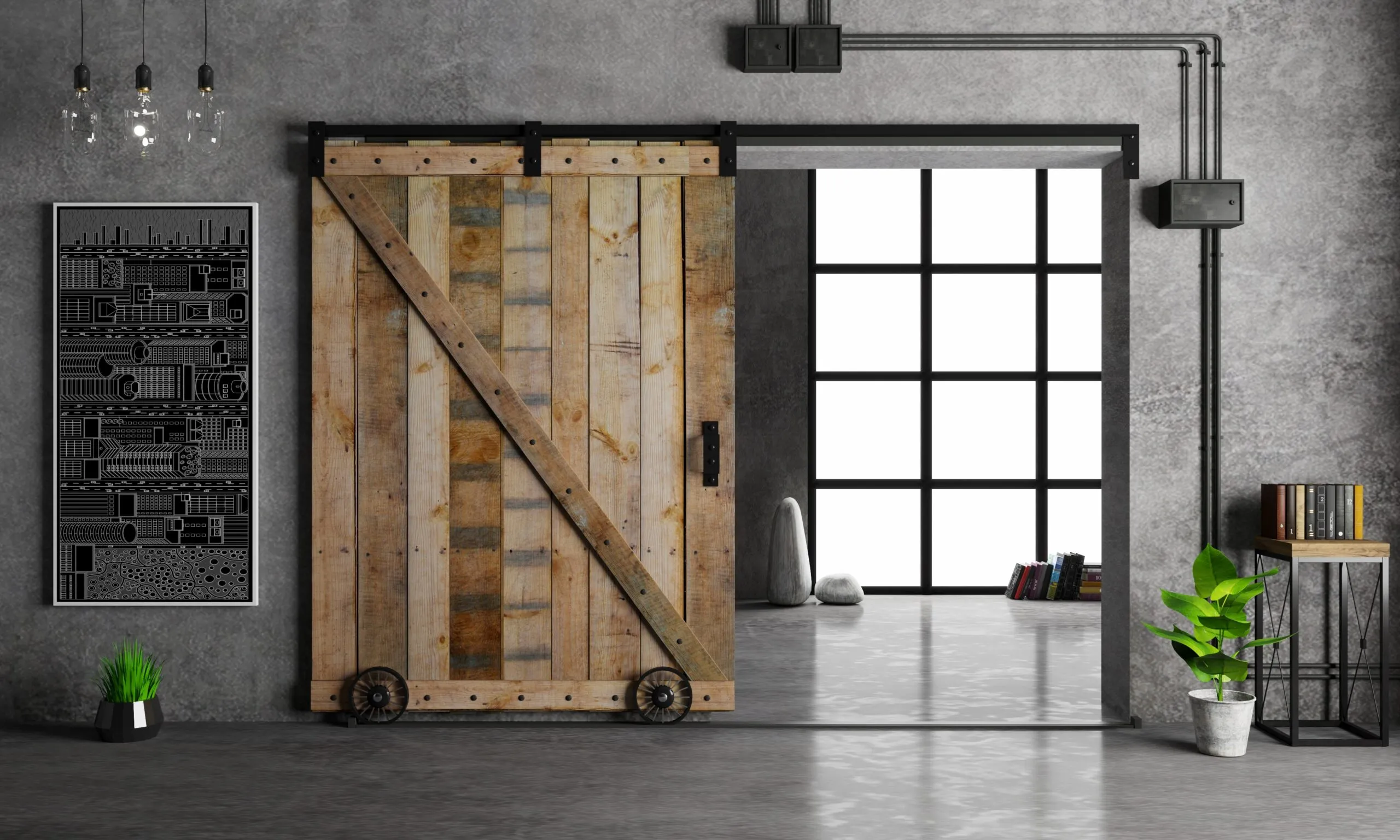
A barn door can make a room feel bigger, but a bad track can make the whole wall feel cheap. For many American homeowners, barn door track installation gives tight hallways, laundry rooms, pantries, home offices, and bedroom entries a cleaner way to function without stealing swing space. The mistake comes when people treat it like hanging wall decor instead of installing moving hardware that carries real weight every day. A hollow wall, uneven casing, short rail, or poorly placed guide can turn a good-looking door into a daily irritation. That is why the best results start before the first hole is drilled. You need room beside the opening, backing inside or over the wall, a door wide enough to cover the gap, and hardware that matches the weight of the slab. Good planning also protects the style you are chasing, whether your home leans farmhouse, craftsman, industrial, or clean modern. For readers who follow practical home improvement planning tips, the real win is simple: make the door look intentional, not added late.
Planning the Opening Before Hardware Touches the Wall
A sliding door succeeds or fails at the opening, not on the showroom shelf. The wall decides how the door moves, how much privacy it gives, and whether the hardware feels solid years later.
How Do You Measure Trim, Casing, and Real Door Swing?
The first measurement is not the door size. It is the full shape of the opening, including casing, baseboard, nearby switches, outlets, thermostat covers, and furniture that sits close to the wall. Many U.S. homes have 2½-inch to 3½-inch casing around bedroom and closet openings, and that trim changes the way the door needs to overlap the wall.
A common mistake is buying a slab that matches the rough opening width. That leaves visible gaps along both sides when the door is closed. A better approach is to choose a door at least 2 inches wider than the finished opening, often more when privacy matters. For a 30-inch bathroom opening in a suburban ranch home, a 34-inch door often feels more finished than a 30-inch slab.
Height deserves the same attention. The door must cover the opening without scraping the floor, but it also needs enough space above for rollers and the rail. Older homes in places like Philadelphia, St. Louis, and Pittsburgh may have lower ceilings, uneven floors, or thick top casing. Those small details decide whether the final look feels clean or crowded.
Why Do Wall Conditions Matter More Than Door Style?
The wall carries the weight, so the wall matters more than the finish on the door. Drywall alone cannot hold a heavy slab in normal daily use. Even a light door can pull hardware loose when kids slide it hard, guests close it from the edge, or the floor guide is out of line.
Most interior walls have studs spaced 16 inches on center, but that does not guarantee the rail holes line up where you need them. A mounting board solves that problem by spreading the load and giving the rail a solid fastening surface. It can also lift the door away from thick trim so the slab clears the casing instead of rubbing it.
There is a counterintuitive truth here: the strongest installation often starts with a visible board. Many homeowners resist it because they want the cleanest look possible, yet a painted header board can disappear once it matches the wall or trim. Strength that looks boring during installation often looks expensive after paint.
Choosing Sliding Door Hardware That Fits the Room
Hardware is not only a style choice. It controls noise, weight capacity, clearance, and how the door behaves when real people use it in a busy house.
What Sliding Door Hardware Handles Daily Use?
Good sliding door hardware should match the door weight, wall structure, and room traffic. A pantry door that moves twenty times a day needs smoother rollers than a guest room door that slides twice a month. The rail should feel heavier than expected because thin metal flexes, rattles, and makes the door feel cheaper than it is.
Roller style changes the mood. Top-mount rollers feel traditional and work well in farmhouse kitchens. Strap rollers create a stronger rustic look. Low-profile hangers suit modern spaces where you want the door to sit quietly in the room instead of becoming the main feature. The point is not to pick the trendiest hardware; it is to pick hardware that belongs to the house.
A family in Dallas installing a laundry room door may care more about quiet rollers than dramatic black straps. A Brooklyn apartment owner may need compact hardware because every inch near the hallway counts. Style still matters, but daily use tells the truth after the photos are taken.
Where Does a Rustic Sliding Door Fit in a Modern Layout?
A rustic sliding door can work in a modern home when the rest of the room gives it space to breathe. The door should not fight every other finish around it. If the room already has busy floors, heavy grain cabinets, dark metal lights, and patterned rugs, another loud texture can feel forced.
A cleaner approach is contrast with restraint. A warm wood slab against white walls can soften a modern hallway. A flat black rail over a simple oak door can bridge farmhouse and urban design without turning the space into a theme. The door earns attention because it solves a problem and adds texture at the same time.
The unexpected move is to make the door quieter than the hardware. Smooth panels, softer stains, and simple vertical lines often age better than distressed boards covered in knots and saw marks. A door that looks slightly calm today will still look natural when furniture, paint colors, and lighting change later.
Mounting the Rail So the Door Runs Clean
The installation phase rewards patience. A rail that is off by a small amount can make the door drift, rub, bounce, or refuse to stay open where you want it.
How Should You Anchor a Wall Mounted Door Track?
A wall mounted door track needs solid fastening from end to end. The safest method is to mark studs, confirm them with a stud finder and small test checks, then attach either the rail directly to framing or through a sturdy mounting board. The board should be level, straight, and fastened into multiple studs before the rail goes on.
Level work matters more than speed. A rail that slopes even slightly can make the door roll open or closed on its own. That tiny drift feels harmless on day one, then becomes annoying when the door creeps away from the pantry or slides toward a bathroom opening. Hardware has a way of exposing lazy layout.
One Denver homeowner might install a barn door between a finished basement and a utility room. The wall looks flat, but the slab floor under it may not be. In that case, the rail level and floor clearance must be planned together. Follow the hardware maker’s instructions, and check local requirements when the door affects a sleeping room, garage entry, or any code-sensitive area.
How Do Stops, Spacers, and Floor Guides Work Together?
Stops keep the door from rolling too far. Spacers hold the rail away from the wall. The floor guide keeps the bottom from swinging out. Each part looks small, but together they decide whether the door feels safe or sloppy.
Spacers must create enough room for the door to clear trim, wall texture, and baseboard details. If the door sits too close, it may scrape the casing. If it sits too far out, the gap looks large and privacy drops. That gap is one reason barn doors do not behave like hinged doors, and no amount of styling can hide poor spacing.
Floor guides deserve more respect than they get. A guide installed even a little off-line can twist the door as it moves. Some guides require a groove cut into the bottom edge. Others sit beside the slab and guide it from the sides. Pick the guide before hanging the door, not after, because the bottom detail can change the whole plan.
Finishing Details That Make the Door Feel Built In
The best barn doors do not feel like a weekend experiment. They feel like the house was waiting for that exact solution, in that exact place, with that exact weight and finish.
What Barn Door Clearance Protects Privacy?
Barn door clearance affects privacy more than most homeowners expect. Because the slab slides on the face of the wall, small gaps at the sides and bottom are normal. That is fine for a pantry, closet, mudroom, or home office, but it needs a harder look near bathrooms and bedrooms.
A wider slab helps hide side gaps. A header board can improve alignment. Soft-close hardware can stop loud slams in shared spaces. For bathrooms, some homeowners add side trim returns or small privacy fins to reduce sightlines from the hallway. These details do not make a sliding barn door seal like a hinged door, but they can make it feel far more comfortable.
A real-world example shows the tradeoff. In a compact California bungalow, replacing a swinging bathroom door may free up space near the vanity. That is a smart gain. Still, the homeowner should solve privacy before choosing stain color, because the most beautiful door in the house will feel wrong if people avoid using it.
How Do You Keep the Door Smooth After the First Week?
A barn door changes slightly after use begins. Screws settle, rollers wear into their path, and the guide may need a small adjustment once the slab has moved through normal daily traffic. The first week tells you what the installation wants.
Check the stops, rail bolts, anti-jump blocks, and floor guide after several days. Listen for clicking, scraping, or metal-on-metal chatter. A smooth door should move with steady resistance, not wobble like a loose cart. If it feels rough, do not ignore it. Small noises usually become larger problems.
Maintenance is simple when the original work is sound. Keep the rail free of dust, avoid hanging bags or decor on the door, and tighten hardware on a sensible schedule. For more interior finishing ideas, related guides like wall trim installation tips and small entryway storage ideas can help you connect the door to the rest of the room. A barn door is not only hardware. It is part of how the whole wall works.
Conclusion
A sliding barn door should never feel like a shortcut. It should feel like a smart decision made with enough patience to respect the wall, the room, and the way people move through the home. The best installations are not the flashiest ones. They are the ones where the door opens smoothly, covers the opening properly, clears the trim, and still looks calm after the trend has moved on.
That is the real test. When barn door track installation is planned around structure first and style second, the finished door can fit rustic homes, modern interiors, and plenty of everyday American floor plans between them. It saves swing space, adds character, and solves awkward openings without pretending to be a normal hinged door.
Measure twice, confirm the wall, choose hardware with enough strength, and treat the guide as part of the system instead of an afterthought. Start with the wall, and the door will follow with confidence.
Frequently Asked Questions
What size barn door do I need for an interior doorway?
Choose a door wider than the finished opening so it covers side gaps when closed. Most interior openings need at least 2 inches of extra width, though bathrooms and bedrooms may need more. Also check height, trim thickness, floor slope, and rail clearance before buying.
Can a barn door be installed over existing trim?
Yes, but the door needs enough spacing to clear the casing without rubbing. Many installers use a mounting board behind the rail to create clearance and provide stronger fastening. Thick trim may also require longer spacers or a slightly wider door for better coverage.
Is a barn door private enough for a bathroom?
It can work, but it will not seal like a hinged door. Side gaps, floor gaps, and sound transfer are normal. Use a wider slab, careful overlap, quality guides, and privacy trim details if the bathroom opens into a hallway or shared living space.
Do interior barn doors need a floor guide?
Yes, a floor guide keeps the bottom of the door from swinging away from the wall. Without it, the slab can wobble, scrape trim, or feel unsafe. Choose the guide style before hanging the door because some doors need a bottom groove.
Can I install barn door hardware into drywall only?
No, drywall alone should not support the rail. The fasteners need studs, blocking, or a secure mounting board attached to framing. A barn door moves, vibrates, and carries weight over time, so weak anchoring can loosen hardware and damage the wall.
How much wall space is needed beside the opening?
You need open wall space at least equal to the door width on the side where the slab will slide. Also check light switches, outlets, vents, artwork, and furniture. A door may technically fit, yet still fail if the wall cannot stay clear.
Are barn doors good for small homes and apartments?
They can save valuable swing space in tight halls, laundry areas, closets, and pantries. The key is choosing a location where privacy demands are modest and the side wall is open. Small homes benefit most when the door solves a movement problem.
Why does my barn door roll open by itself?
The rail is likely not level, or the wall and floor relationship was not checked during installation. Even a slight slope can make the door drift. Recheck the rail with a level, inspect the stops, and adjust the mounting before the hardware loosens.