
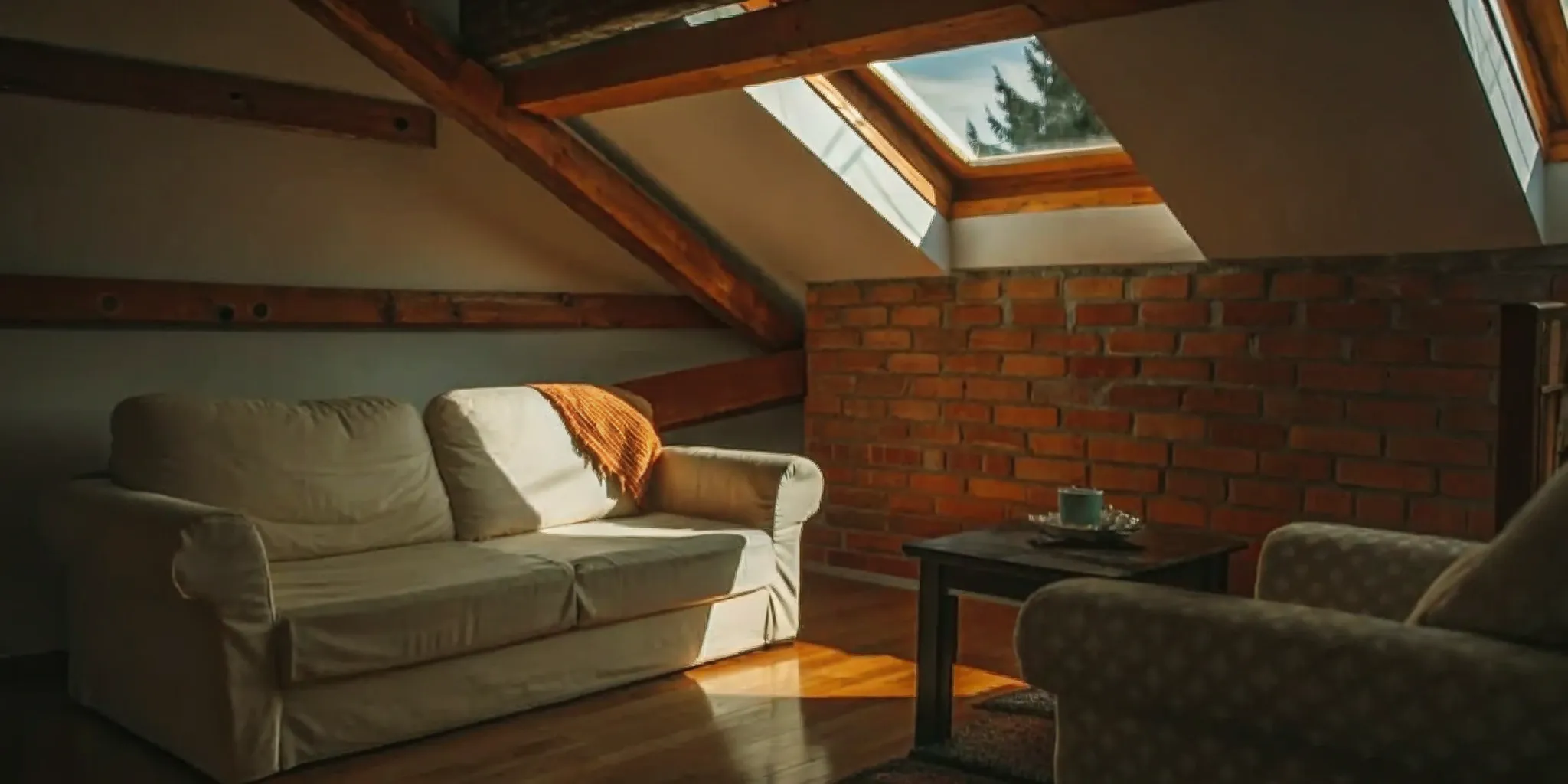
The attic looks like free square footage until the first contractor shines a flashlight behind the rafters. An attic bathroom addition can make a cramped house feel smarter, especially in older U.S. homes where the second floor has bedrooms but no nearby bath. The catch is that attic space does not forgive lazy planning. Headroom, floor load, plumbing routes, venting, roof slope, insulation, and stair access all decide whether the project feels brilliant or becomes an expensive regret. A homeowner who treats the attic like a normal spare room usually gets surprised. A homeowner who treats it like a small engineering puzzle has a better shot at winning. For broader home improvement planning and project visibility, a resource like residential renovation planning can help frame the bigger picture before money starts moving. Current national bathroom addition guides put many projects in the tens of thousands, with existing-space conversions often costing less than brand-new additions. The attic can still be worth it, but only when the house, budget, and layout all agree.
Attic Bathroom Addition Feasibility Starts With the House, Not the Design
Pretty tile comes later. The first real question is whether the attic can act like a room with plumbing, moisture, people, fixtures, and daily use. Many homeowners start with a Pinterest board, but a smarter start is a tape measure, a structural opinion, and a rough plumbing path from the attic down to the nearest stack.
Why headroom decides more than style
Code height is the first cold truth in an attic. The 2024 International Residential Code says habitable spaces generally need a ceiling height of at least 7 feet, while bathrooms, toilet rooms, and laundry rooms need at least 6 feet 8 inches; existing-building attic rules may allow lower limits in certain cases, but local code controls the final answer. That means the sloped ceiling is not a design quirk. It is the boundary between usable space and wasted fantasy.
A toilet can tuck under a slope better than a shower, but even that has limits. You need comfortable standing height where a person steps, turns, dries off, and uses fixtures without ducking like they are entering a crawl space. A finished attic bathroom that feels charming in photos can feel punishing at 6:30 a.m. if the mirror sits under a roof pitch and the shower head crowds your forehead.
The counterintuitive move is to make the room smaller on purpose. A tighter layout placed under the highest roof ridge often works better than a larger layout spread across low, awkward corners. Bigger square footage does not always mean better function upstairs.
What floor framing and access reveal early
Bathroom fixtures add concentrated weight. Tile, mortar, cement board, a tub filled with water, and a vanity can turn a light storage attic into a stress test for old joists. A 1920s bungalow in Ohio, a Cape Cod in Massachusetts, and a ranch house in Texas can all hide framing that was never meant for daily bathroom use.
A contractor may open a small section of floor to inspect joist size, spacing, span, and bearing points. That hole can feel annoying, but it often saves thousands. Sistering joists, adding beams, or adjusting the layout before demolition beats discovering bounce after the floor is tiled.
Access matters too. A steep pull-down stair is not enough for a permitted living upgrade. If the attic already has a legal stair, the project has a head start. If not, the stair location may steal space from the floor below, which changes the value of the whole project.
What Attic Bathroom Costs to Build Actually Include
The budget is not one number. It is a stack of trades working in a difficult part of the house. National bathroom addition pricing often separates existing-space conversions from new additions, with conversion pricing commonly listed around $200 to $250 per square foot and addition pricing around $400 to $550 per square foot. An attic usually sits somewhere uncomfortable: the space already exists, but the work can act like a new build because systems must travel so far.
Bathroom addition cost depends on distance from plumbing
The shortest route to the nearest drain stack often shapes the whole layout. If the new toilet can sit near an existing bathroom wall below, the project starts to look sensible. If the drain needs to cross joists, drop through finished rooms, or travel across the house, the price climbs fast.
This is where attic bathroom plumbing becomes the quiet boss of the plan. A homeowner may want the vanity under the dormer because the light feels perfect. The plumber may point to the opposite wall because the drain, vent, and supply lines can run cleaner there. The plumber is often right.
The bathroom addition cost also changes by region. Labor in Seattle, Boston, and coastal California can punish a budget faster than the same scope in smaller Midwest markets. The work itself may be similar, but access, permitting pace, and subcontractor rates are not.
Where attic bathroom plumbing gets expensive
A toilet drain is not a lamp wire. It needs slope, pipe diameter, venting, and a path that does not butcher framing. Cutting large holes through joists without proper planning can weaken the floor, so skilled plumbers and framers need to coordinate before anyone starts drilling.
Venting is another attic trap. Bathrooms need moisture control, and exhaust cannot dump into the attic cavity. It must discharge outdoors, often through the roof or gable wall. That small fan can involve roofing work, insulation detailing, and air sealing so condensation does not become a winter mold problem.
The unexpected insight is that “near plumbing” does not always mean “cheap.” A bathroom directly above another bath can still cost more if joists run the wrong way, the stack is undersized, or the existing system has old galvanized lines. The house may give you a shortcut, then charge you for using it.
Turning Attic Limits Into a Bathroom That Works
A good attic bath does not fight the roof. It accepts the slope, works with the structure, and spends money where discomfort would otherwise show up every day. The goal is not to squeeze a normal bathroom upstairs. The goal is to design a room that feels intentional in a space that was never simple.
How an attic bathroom remodel should handle layout
The best attic bathroom remodel usually puts standing tasks under the tallest ceiling. The shower, sink, and main walkway deserve the best headroom. Storage, knee-wall drawers, a toilet tank, or built-in shelving can live where the roof drops.
A shower is the hardest fixture to fake. You need enough height for the person, the shower arm, waterproofing, and a door or curtain that does not fight the slope. In many attics, a compact shower with a custom glass panel works better than a tub-shower combo that eats floor space and adds weight.
A practical layout also respects privacy. Attics can carry sound through open framing, especially when the bathroom sits above a bedroom. Dense insulation, careful pipe placement, and a solid-core door can make the difference between a useful retreat and a room everyone hears.
Why moisture control matters more upstairs
Warm, wet air rises, and an attic already lives at the edge of temperature swings. Add a shower, and the room can become a moisture machine unless ventilation, air sealing, and insulation work together. A bath fan rated for the room size is not optional decoration. It is part of the survival plan.
Tile is not waterproof by magic. The system behind it matters more than the surface people see. Waterproof membranes, proper shower pan slope, sealed penetrations, and clean transitions around rooflines carry the job long after the grout looks old.
For internal planning, this is a smart place to link readers to your own bathroom waterproofing guide and attic insulation planning. Those two topics support the same project from different sides, and they help readers avoid treating finishes as the whole story.
When the Investment Makes Sense for Daily Life and Resale
An attic bath is not always the cheapest way to add function. Sometimes a hallway bath expansion, laundry-room conversion, or first-floor powder room wins on cost and speed. The attic becomes attractive when it solves a problem no lower-level space can solve.
What finished attic bathroom value looks like
A finished attic bathroom can change how a house lives. It can turn an attic bedroom into a usable guest suite, give teenagers their own zone, or make a top-floor office feel less like borrowed storage. That daily convenience often matters more than the resale math.
Resale still deserves clear eyes. The 2025 Cost vs. Value report listed a midrange bathroom addition at a national job cost of $60,645 with a resale value of $32,347, or about 53% recouped; an upscale bathroom addition recouped less by percentage. That does not mean the project is bad. It means you should not pretend every dollar comes back at closing.
The smarter question is whether the room fixes a real weakness in the house. A three-bedroom home with one upstairs bath may gain stronger buyer appeal from another bathroom. A house that already has plenty of baths may not.
How to control scope without making the room feel cheap
Cost control starts with layout discipline. Keep fixtures close together, stay near existing plumbing where possible, avoid moving roof framing, and choose durable midrange finishes over fragile luxury pieces. This Old House notes that converting existing interior space can cost far less than building new, especially when plumbing lines are nearby.
The best savings rarely come from buying the cheapest toilet. They come from avoiding custom complexity. Stock vanities, simple tile patterns, standard shower sizes, and fewer roof penetrations can protect the budget without making the room look stripped down.
A strong attic bathroom remodel also needs a contingency fund. Old houses love surprises: knob-and-tube wiring, poor insulation, odd framing repairs, hidden leaks, or undersized drains. Treat 15% to 25% extra as protection, not pessimism. A tight budget with no cushion is not disciplined. It is fragile.
Conclusion
The right attic bath starts with restraint. You are not trying to conquer the top of the house; you are trying to make it useful without forcing the structure to lie. The best projects respect roof pitch, plumbing gravity, floor strength, air movement, and the way real people move through small spaces half awake.
An attic bathroom addition makes the most sense when it solves a daily problem that the rest of the house cannot solve cleanly. It should improve privacy, reduce morning traffic, or turn unused square footage into a room that earns its keep. It should not exist because the attic looks empty.
Before you price tile, price feasibility. Measure headroom, trace plumbing, ask about joists, check permits, and get contractor bids that separate structure, plumbing, electrical, ventilation, and finishes. Then decide with clear eyes.
Build the bathroom the attic can support, not the one a photo convinced you to want.
Frequently Asked Questions
How much does an attic bathroom addition cost in the United States?
Most homeowners should expect a wide range because attic work depends on plumbing distance, headroom, structure, and finishes. A modest project may land in the lower tens of thousands, while complex attic baths with structural upgrades can move far higher.
Can you put a bathroom in any attic space?
No. The attic needs enough legal headroom, safe access, proper floor strength, ventilation, plumbing routes, and electrical capacity. Some attics work well after upgrades, while others cost too much to convert compared with adding a bathroom elsewhere.
What is the hardest part of adding a bathroom in an attic?
Plumbing is often the hardest piece because drain lines need slope, vents need proper routing, and pipes must pass through framing safely. Headroom and structural reinforcement can also become major issues once the walls and floors are opened.
Does a finished attic bathroom add home value?
It can add value when it fixes a clear weakness, such as bedrooms upstairs with no nearby bath. The strongest value comes from daily function and buyer appeal, not full cost recovery. Poor layout or low headroom can limit the payoff.
Do attic bathrooms need special ventilation?
Yes. Moist air must exhaust outdoors, not into the attic cavity. A properly sized bath fan, tight ducting, roof or wall termination, air sealing, and insulation all help prevent condensation, mold, peeling paint, and hidden roof-deck moisture problems.
Is a shower or half bath better for an attic?
A half bath is easier because it needs less headroom, less waterproofing, and less moisture control. A shower adds more comfort, but it also raises the stakes for drainage, ventilation, waterproofing, and standing clearance under the roof slope.
Can attic bathroom plumbing freeze in winter?
Yes, pipes can freeze if they run through poorly insulated or unconditioned zones. Supply lines need careful placement, insulation, and air sealing. In colder U.S. climates, routing pipes through conditioned space is usually safer than pushing them into exterior roof cavities.
Should I hire a contractor for an attic bathroom project?
Yes, core work should involve licensed pros. This project touches structure, plumbing, electrical, ventilation, waterproofing, and permits. Homeowners can handle limited finish tasks, but the hidden systems decide whether the bathroom stays safe and dry.