
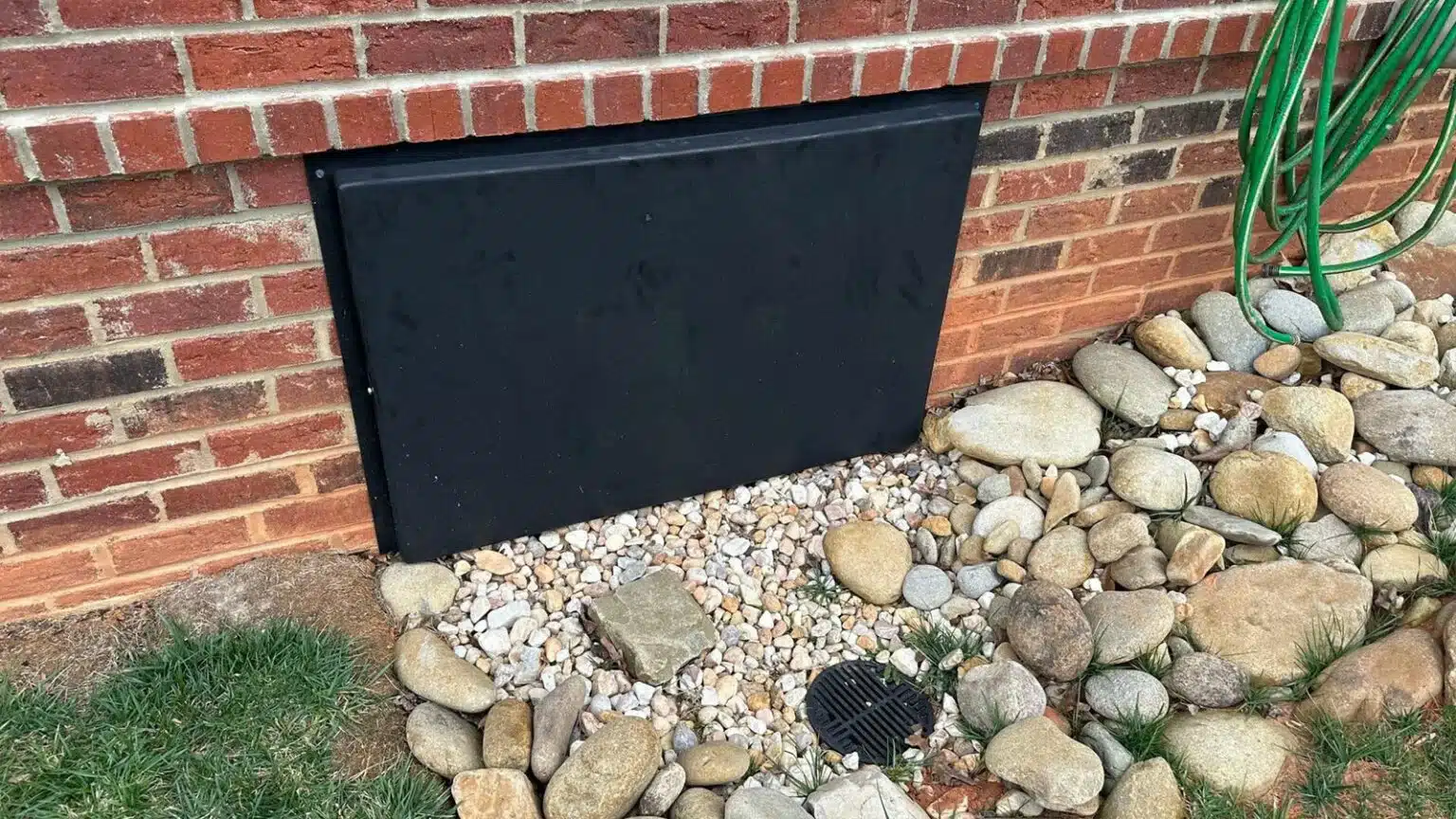
A weak crawl space door can make a solid house feel unfinished from the outside and drafty from the inside. Crawl space access door replacement matters because that small opening often decides whether pests, water, cold air, and strangers get an easy path under your home. Many U.S. homeowners ignore it until the wood swells, the latch rusts, or a raccoon tests the corner and wins. A better door does not need to look fancy, but it does need to fit tight, resist weather, and close with confidence. Think of it as a quiet shield for the part of your house nobody wants to crawl into unless something has already gone wrong. Good repairs start with common sense: measure the opening, study the damage, choose the right material, and seal the edges like you mean it. For homeowners comparing repairs with broader property maintenance and home improvement planning, this small project can protect comfort, energy use, and peace of mind at the same time.
Why a Crawl Space Door Fails Before the Rest of the House Looks Old
A crawl space door lives in one of the roughest spots on the exterior wall. It sits low, catches splashback from rain, faces soil moisture, and often gets built with thin wood that was never meant to fight years of weather. The surprise is that failure often starts long before the door looks ruined.
Moisture Damage Starts at the Edges First
Water rarely attacks the center of the door first. It sneaks into the seams, bottom edge, screw holes, and trim joints where paint is thin or caulk has cracked. Once the lower edge begins to absorb moisture, the panel swells, drags, and stops closing tight.
That tiny gap becomes the real problem. Cold air moves through it during winter, humid air slips in during summer, and the crawl space starts acting like an open pocket under the house. In a ranch home in Georgia, for example, one warped access panel can feed musty air into floor cavities during long humid stretches.
A smart replacement starts by reading the old door like evidence. Soft corners, black staining, peeling paint, and rusted hinges all tell you the same story: the problem was not age alone. It was poor water control around a weak opening.
Security Problems Hide Behind Casual Hardware
Most old crawl space doors were built to keep leaves out, not people or animals. A flimsy hasp, loose screws, or bent latch may look harmless until you realize the opening leads under your entire home. That space may contain ductwork, plumbing, wiring, insulation, or stored tools.
Security does not mean turning the door into a bank vault. It means using hardware that cannot be pulled off by hand and a latch that stays aligned after the door expands and shrinks. A locking hasp, exterior-rated screws, and solid framing make a bigger difference than most homeowners expect.
The counterintuitive part is that a heavier door is not always safer. A badly fitted heavy panel can sag, bind, and leave a gap at the top. A lighter door with a rigid frame and strong latch often protects better because it closes cleanly every time.
Planning Access Door Replacement Before You Remove the Old Panel
Access door replacement goes wrong when homeowners start with demolition instead of diagnosis. The old door may be ugly, but it still gives you useful clues about the opening, water flow, ground clearance, and hinge placement. Pulling it off too early can make a simple Saturday project turn into a plywood-and-tarp emergency.
Measure the Opening Like the Door Has to Work in Bad Weather
A crawl space opening is rarely square after years of soil movement, moisture, and patch repairs. Measure the width at the top, middle, and bottom. Measure the height on both sides. Then check diagonals to see whether the frame is twisted.
Small differences matter. A quarter-inch gap may not sound like much, but insects do not need an invitation card. Mice can exploit small openings, and air leaks do not care whether the gap looks neat from six feet away.
Keep clearance in mind before choosing the door style. If the ground slopes upward outside the opening, a swing-out door may scrape after the first heavy rain shifts mulch or soil. In that case, a removable panel or outward door with trimmed bottom clearance may save you repeat frustration.
Choose Materials Based on Exposure, Not Habit
Wood feels familiar, so many homeowners rebuild the same weak door with the same weak material. That can work if the door is protected by a deep overhang and sits above splash zones. In exposed areas, treated plywood, PVC trim boards, metal panels, or composite doors often hold up better.
A coastal home in North Carolina has a different problem than a dry-climate house in Arizona. Salt air, wind-driven rain, and humidity punish hinges and fasteners. A shaded home in the Midwest may fight rot because the door never dries after storms.
Good material choice follows the site. Use exterior-rated fasteners, weather-resistant trim, and a door face that can handle moisture without swelling. The door should suit the wall, not the aisle at the home center.
Building a Tighter Seal Without Trapping Moisture Under the House
A tight door should block pests and drafts, but it should not turn a damp crawl space into a sealed box with no plan. This is where many repairs get sloppy. Homeowners hear “seal it better” and close every gap without thinking about drainage, ventilation, vapor barriers, or local crawl space conditions.
Weatherstripping Works Only When the Frame Is Solid
Weatherstripping cannot rescue a rotten frame. It needs a stable surface to press against, or it becomes decoration with adhesive. Before installing foam tape, rubber gasket, or brush seal, check that the jambs are firm and the stop molding creates even contact.
A well-built stop makes the seal predictable. The door closes against the same surface every time, which keeps pressure even across the top and sides. Without that stop, the latch may pull one corner tight while the opposite corner still leaks air.
This is one of those details that separates a repair from a patch. A homeowner in Pennsylvania may install thick foam around the panel and still feel cold floors because the door is bowed. Fix the geometry first. The seal comes second.
Drainage Around the Door Matters More Than Extra Caulk
Caulk is useful, but it is not a drainage system. If soil, mulch, or a concrete pad slopes toward the crawl space opening, water will keep attacking the door no matter how clean the bead looks on installation day. The goal is to move water away before it reaches the frame.
Look at the ground after rain, not during a dry afternoon. Puddles, mud trails, and splash marks reveal where water travels. A small gravel strip, corrected slope, extended downspout, or raised threshold may protect the door better than another tube of sealant.
The unexpected truth is that the best seal sometimes starts several feet away from the door. A downspout dumping beside the access panel can destroy a new installation in one season. Fix the water path, and the door finally gets a fair chance.
For crawl space moisture guidance, the U.S. Department of Energy’s Energy Saver resources offer a helpful starting point on air sealing, insulation, and home efficiency basics.
Installing Hardware That Stays Aligned After Real Use
The door face gets the attention, but hardware decides whether the repair lasts. Hinges, screws, latch placement, and framing carry the daily stress. A door that looks square on day one can become annoying by month three if the hardware was chosen like an afterthought.
Hinges Need Support Behind the Trim
Exterior hinges should bite into solid framing, not thin trim or tired plywood edges. Long screws help only when there is strong backing behind them. If the old screw holes are stripped, fill and reinforce the area before hanging the new door.
Use at least two hinges for small doors and three for taller or heavier panels. Place them so the weight is spread evenly. A sagging hinge side creates latch trouble, and latch trouble becomes a gap, and the gap brings back the same problems you tried to end.
A practical test works better than guessing. Hang the door, close it gently, then open and close it several times before adding final seals. If the latch needs force on the first day, it will not become friendlier after humidity changes.
Locks Should Protect Without Making Maintenance Miserable
A crawl space door still needs access for plumbing work, pest inspections, HVAC service, and seasonal checks. A lock that takes five minutes to open may sound secure, but it becomes a reason to skip inspections. Security should feel firm, not fussy.
Choose a hasp, cam lock, or exterior latch that suits the door style. Keep it high enough to avoid standing water and low enough to reach without awkward bending. Use corrosion-resistant hardware because crawl space doors sit close to damp ground and dirty splash zones.
The best setup is simple: the door closes tight, the latch pulls evenly, and the lock resists casual tampering. That balance matters in real homes because maintenance access should never feel like a punishment.
Finishing the Replacement So It Looks Built-In, Not Added Later
A new door can function well and still look wrong if the trim, paint, and surrounding wall do not match the house. This final stage is where the project moves from “fixed” to “finished.” The goal is not to hide the door completely. The goal is to make it look intentional.
Trim Gives the Door a Clean Visual Boundary
Trim frames the access point and helps cover uneven edges in the masonry, siding, or foundation wall. PVC trim works well in damp areas, while treated wood can work when sealed on all sides before installation. Bare cut ends should never face soil moisture without protection.
A neat trim border also helps future repairs. It gives you a clear line for caulk, paint, and weatherstripping. When the opening looks defined, small problems become easier to spot before they spread.
Many older homes have crawl space openings that look hacked into the foundation. Clean trim changes that feeling fast. It tells the eye the opening belongs there, which matters more than most people admit.
Paint, Clearance, and Final Checks Decide the Long-Term Result
Paint or finish every exposed surface, including edges most people never see. The bottom edge deserves special care because it catches the hardest moisture. Let coatings dry fully before closing the door tight against weatherstripping.
Leave enough clearance at the bottom to prevent rubbing, but not so much that pests can enter. A threshold, sweep, or gasket can close the gap without forcing the door into the dirt. This is the kind of small decision that keeps a repair from aging badly.
Before calling the project done, run a final checklist. Confirm the door swings or removes cleanly, the latch lines up, the lock works, the seal touches evenly, and water drains away from the opening. Crawl space access door replacement should end with a door you no longer have to think about every time it rains.
Conclusion
A crawl space door is easy to underestimate because it sits low, looks plain, and rarely gets attention during home upgrades. That is exactly why it deserves a tougher standard. When the door fails, it does not fail politely. It invites moisture, pests, drafts, and security concerns into a space that already works hard behind the scenes.
Crawl space access door replacement is not about making a hidden opening look pretty for one weekend. It is about giving your home a tighter boundary where weakness often starts. The smartest homeowners treat the project as part repair, part prevention, and part long-term maintenance habit.
Do the job with the same care you would give a visible exterior door. Measure well, choose materials for your climate, control water before it reaches the frame, and install hardware that will not sag after the first season. Start with the door, but finish by protecting the whole opening around it.
Frequently Asked Questions
How do I know when a crawl space access door needs replacement?
Soft wood, rusted hardware, gaps around the frame, swelling, pest signs, and trouble closing the door are strong warning signs. Replacement makes sense when repairs no longer hold a tight seal or when the frame has lost enough strength to support hardware.
What is the best material for a crawl space door?
The best material depends on exposure. Treated plywood works in protected areas, while PVC, composite, or metal panels often perform better in damp or exposed spots. Exterior-rated fasteners and sealed edges matter as much as the panel itself.
Should a crawl space door be insulated?
Insulation can help when the crawl space affects indoor comfort or energy use. The door still needs moisture control and proper sealing first. Insulating a warped or leaking door will not solve drafts, pests, or water problems around the opening.
How tight should a crawl space access door seal be?
The door should close firmly against weatherstripping without forcing the latch. A tight seal blocks air movement and pests, but the crawl space still needs a proper moisture and ventilation plan based on the home’s design and local conditions.
Can I replace a crawl space door myself?
Many homeowners can handle the project with careful measuring, basic carpentry skills, and exterior-grade materials. Hire help if the frame is rotten, the foundation opening is damaged, water is entering, or the door protects plumbing, HVAC, or electrical systems.
How do I keep animals out of a crawl space door?
Use a rigid panel, tight trim, strong latch, corrosion-resistant screws, and sealed gaps around the frame. Check the bottom edge closely because animals often test weak corners near soil, mulch, or loose trim before forcing the panel open.
Should the crawl space door open inward or outward?
Most exterior crawl space doors open outward or lift off for easier access. The right choice depends on ground clearance, slope, framing, and service needs. Avoid any design that scrapes soil, traps water, or becomes hard to open during repairs.
How long should a new crawl space door last?
A well-built exterior crawl space door can last for years when water drains away from it and all edges are sealed. Poor drainage, cheap hardware, bare wood edges, and ground contact can shorten its life far faster than normal use.