
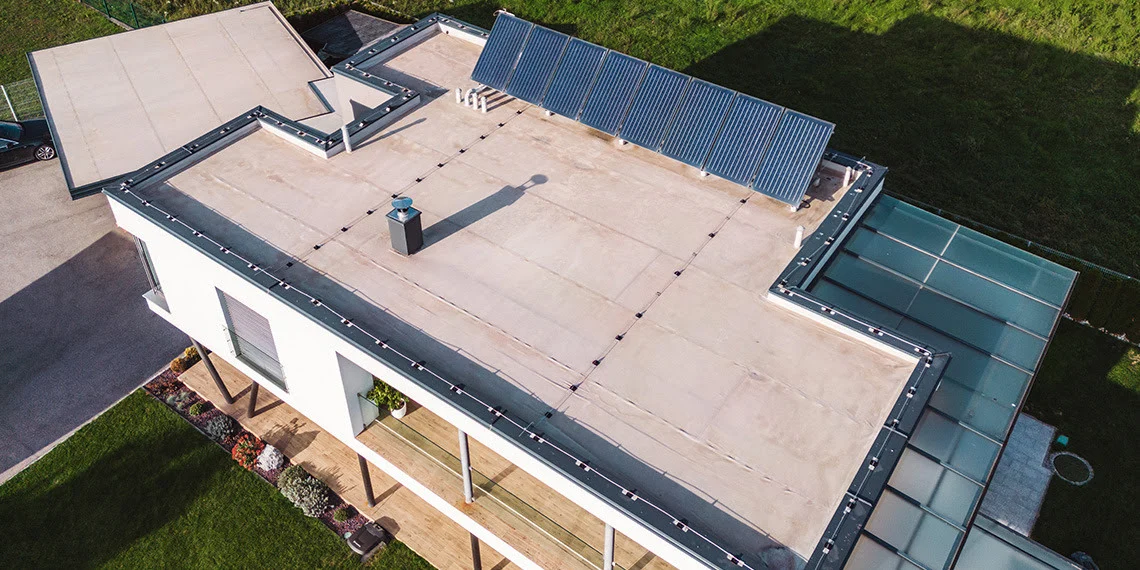
A flat roof rarely leaks from the wide open middle first. Trouble often begins at the edge, where the roof climbs a short wall, meets a corner, turns around a drain path, or hides under a metal cap that looks fine from the ground. That is why parapet wall waterproofing deserves more attention than many homeowners give it. On U.S. homes, garages, additions, and small commercial buildings, that raised edge can protect the roof or punish it, depending on how the layers tie together. A smart owner does not wait for a ceiling stain to prove the wall failed. Good roofing and home improvement guidance starts with seeing the parapet as part of the roof system, not trim. The membrane, flashing, coping, fasteners, wall face, and drainage all have to agree with each other. One weak joint can invite water into sheathing, insulation, framing, and interior drywall before anyone notices. That is the quiet danger of this detail: it can look finished while it is already feeding water into the building.
Water Moves Differently at a Parapet Edge
The roof field looks like the main event, but the edge is where water gets clever. Flat and low slope roofs do not shed rain with the speed of a steep shingle roof, so every turn in the system matters. At a parapet, water slows down, changes direction, and finds seams that would never matter on a steeper roof. A good repair starts by respecting that behavior instead of fighting the stain after it appears indoors. Once you see the edge as a weather trap, the whole roof becomes easier to read. That shift also helps you talk with a contractor in clearer terms, because you stop asking for “a leak fix” and start asking how the edge system moves water away.
Why Flat Roof Edges Leak Before the Field Fails
Most roof leaks near a parapet begin with a simple mismatch. The membrane may still look sound across the roof surface, yet the vertical turn at the wall has started to loosen. That turn carries more stress than the open field because it deals with sun, wind, movement, and trapped moisture in one tight zone. A roof field can age slowly for years, while the upright turn at the wall fails early because it has less forgiveness.
A homeowner in Denver might see this after a windy spring storm. The roof membrane looks clean from above, but the inside corner at the parapet has a slight wrinkle. That wrinkle becomes a shallow pocket, then a wet line, then a brown stain near the ceiling. The leak does not need a dramatic tear. It needs a patient path.
Drainage can make the problem worse when scuppers, drains, or tapered insulation push water toward the wall. A roof edge that was dry during light rain may sit wet for hours after a heavy storm, then show a stain days later. Older built-up roofs, modified bitumen, TPO, PVC, and EPDM all behave differently, but the lesson stays the same. When installers treat that corner like a neat finish line instead of a working joint, the roof starts keeping score.
How Wind, Heat, and Ice Pull Small Gaps Open
Parapets take weather from more than one side. The roof surface heats up under summer sun, the wall face cools at a different rate, and the metal coping expands before the masonry or wood framing catches up. That uneven movement works like a slow hand opening a seam.
Cold regions add another layer of trouble. Ice can sit behind a parapet where shade lingers, then melt during the day and freeze again at night. The water does not need to pour in. It can push into tiny openings, expand, and make the next opening wider. Not always. But often enough.
Coastal homes face a different pressure. Wind-driven rain can move upward under a loose cap or sideways into an open end joint. In places like New Jersey, coastal Massachusetts, or the Gulf Coast, a parapet leak may begin on the wall face, not the roof surface. Desert roofs bring their own punishment, since strong sun can shrink sealant while fast temperature swings pull metal and membrane in opposite directions. Dry weather does not excuse weak detailing; it only changes how failure shows itself. A dry-climate leak may appear after one hard monsoon storm, while a northern leak may arrive after weeks of freeze and thaw.
Building the Wall-to-Roof Transition Like a Drainage System
A parapet edge should never depend on one layer. The better approach treats the corner as a small drainage assembly, where each part backs up the next. The membrane turns up, flashing protects the turn, termination bars hold the top edge, and counterflashing or coping keeps water from attacking the joint. When those parts line up, the roof has a defense. When they fight each other, water only needs one opening. This is where cheap work often looks fine for one season and expensive by the second. The difference between a dependable edge and a future leak is often hidden under metal, which is why the sequence matters more than the surface appearance.
Where Low Slope Roof Flashing Needs Real Height
Flashing on a low slope roof needs enough height to beat splash, drifting snow, and wind pressure. A short flashing strip can look tidy on installation day, then fail during the first heavy storm that stacks water against the wall. Height is not cosmetic. It buys margin, and margin is what protects the roof when drains slow down or a storm overwhelms the normal path.
On many U.S. flat roofs, the practical goal is to carry the membrane up the wall far enough that ordinary ponding or splash cannot reach the top edge. The exact height depends on roof design, local code, manufacturer rules, and the roof covering. Still, a flashing that stops too low is easy to spot once you know what to look for. It feels like a shortcut because it is one.
Low slope roof flashing also needs clean corners. Inside corners deserve careful folding, welding, or reinforced detailing because water sits there longer. Outside corners need protection from wind lift and impact. The most expensive leak on a small roof can begin at a corner no wider than your hand. The International Code Council gives builders a code framework, but product makers often add their own edge and flashing rules, especially when a warranty is involved. Asking for those written details before work begins may feel fussy, but it gives everyone the same target and leaves less room for guesswork.
Why Roof Membrane Termination Cannot Be an Afterthought
The membrane termination point is where the roof system says, “This is where I stop, and this is how I stay sealed.” That line may sit under counterflashing, behind a termination bar, or below a coping cap. When it is loose, exposed, or poorly fastened, the rest of the roof has to defend a weak border.
Fastener spacing matters because wind does not pull politely. A termination bar with wide gaps can let the membrane flutter, and flutter turns sealant into a tired ribbon. Sealant should protect a detail, not carry the whole job on its back. Once the bead cracks, water starts testing the fasteners.
Good roof membrane termination also respects the wall material. Concrete, brick, wood framing, stucco, and sheathing all hold fasteners in different ways. A screw that bites well into solid blocking may fail in soft or damaged substrate. A clean-looking roof membrane termination can still hide poor work, so a serious installer checks what sits behind the surface instead of fastening into hope. This matters on older homes where past repairs may have left wet wood, broken masonry, or hidden voids behind a clean surface.
Coping, Caps, and Wall Faces That Keep Water Out
The top of the parapet often decides whether the wall stays dry. Many leaks blamed on the roof membrane begin above it, at a cap joint, open fastener, cracked stucco face, or backward slope. The roof below gets accused because water appears indoors, but the real entry point may sit inches higher. That is why the wall cap and wall face deserve the same inspection as the membrane. The cap is not a lid for looks; it is the roof edge’s first weather break. When it is shaped and fastened well, it takes pressure off the membrane below. When it is loose, the membrane becomes the last line of defense.
Parapet Coping Details That Matter After the Storm
Coping at a parapet should push water away from both sides of the wall. A coping cap that lies flat can let rain sit on top, then slip under joints as the metal moves. A cap that slopes toward the roof or exterior, with proper drip edges, gives water a direction before it gets creative. A drip edge on each side also helps water release instead of curling back under the cap by surface tension.
Joint design matters as much as the cap itself. Metal coping expands and contracts, so joints need covers, splice plates, or sealed movement space that can handle seasonal change. Caulk smeared over a butt joint may look useful for a month. After heat, cold, and wind, it often cracks right where water wants to enter.
Parapet coping details also need attention at ends, corners, and transitions. A long straight run might perform well, while the corner leaks because the cap was cut, bent, and patched in a hurry. Storm stains under one coping joint can fool an owner into blaming the membrane below, even when the water entered higher and traveled through the wall. This is why a repair should follow stains upward and sideways, not only down to the closest seam.
Masonry, Stucco, and Siding Choices Around the Roof Edge
The wall face below the cap can ruin an otherwise good roof. Brick with open mortar joints, stucco with hairline cracks, or siding with poorly sealed trim can all move water behind the membrane line. The leak may show up inside as a roof problem, but the wall started it.
Masonry parapets need sound mortar and safe weep behavior. When old mortar turns sandy, water can enter the wall, travel down, and appear at the roof edge. Repointing may matter more than another layer of roof cement. That surprises owners because they expect roofing repairs to happen on the roof, not in the wall.
Wood-framed parapets need even more care because trapped water can rot sheathing and blocking. A cap leak on a garage workshop in Ohio, for example, may not show indoors right away if the space is unfinished. By the time someone sees stained plywood, the fasteners holding the edge metal may already have lost grip. Paint and coatings can help only after the wall is sound; used as camouflage, they delay the hard conversation until the damage costs more. The better move is to repair the wall, let damp areas dry, then finish with a coating that belongs to the system.
Inspection, Repair, and Maintenance Before Damage Spreads
The smartest repair often happens before the interior leak. A parapet gives small warnings: lifted sealant, staining below coping joints, open mortar, loose metal, soft roof corners, and bubbles near the wall. None of those signs proves disaster, but each one deserves a closer look. Catching them early keeps the project in repair territory instead of replacement territory. The owner who documents small changes twice a year often saves the roof from a large surprise. Photos help here because small roof-edge changes can be hard to remember from one season to the next.
When Flat Roof Parapet Repair Should Stay Small
A small parapet repair should begin with tracing the path, not smearing roof cement over every suspect seam. Emergency patching has a place during active rain, but it should not become the final plan. Thick patches can trap moisture, hide cracks, and make the next repair harder.
Small repairs work when the materials around the leak remain sound. A loose termination bar, a failed sealant bead, or one open coping joint may be corrected without rebuilding the whole roof edge. The key is honesty. If the membrane is brittle, the sheathing is soft, or the wall cap has widespread failure, a neat patch becomes theater.
Flat roof parapet repair also needs material matching. TPO wants compatible heat-welded patches. EPDM needs the right primer and tape. Modified bitumen may need torch, cold adhesive, or self-adhered material, depending on the system. Moisture testing can change the plan as well, since wet insulation may spread under the surface while the top still looks patchable. A good technician will want to know whether water is trapped, because dry materials and wet materials need different repair plans.
How to Plan Access, Timing, and Contractor Scope
Parapet work looks simple from the sidewalk, but access can drive the job. A one-story garage may allow safe ladder setup, while a townhouse roof may need roof anchors, staging, or lift access. Safety is not an extra line item. It shapes how well the repair can be done.
Timing also matters. Wet walls and soaked insulation can fool a moisture reading right after a storm. A contractor may need dry weather to inspect seams, remove suspect metal, or test adhesion. Rushing the work on a damp surface can lock water inside the assembly, where it keeps damaging the roof after the invoice is paid.
A clear scope protects the owner. Ask whether the work includes coping joints, counterflashing, wall cracks, membrane corners, drainage review, and cleanup of old failed sealant. Ask for photos before and after. A good contractor will not mind showing the exact weak point because the exact weak point is what you are paying them to solve. Maintenance should be boring on purpose: clear debris, check cap joints, note stains, and get help while the repair still has clean edges. A repair scope that names the exact materials, the fastening method, and the tie-in points is easier to inspect later.
Conclusion
A parapet can make a flat roof cleaner, safer, and easier to drain, but only when every layer respects water’s habits. The edge of the roof is not decoration. It is a stress point that must handle weather from above, sideways pressure from wind, and movement from every hot afternoon and cold night.
Strong parapet wall waterproofing comes from disciplined details, not from a bigger tube of sealant. Look at the wall cap, the flashing height, the membrane turn, the fasteners, the corners, and the wall face as one connected system. When one part fails, the others usually start carrying loads they were never meant to carry. That is why the cheapest repair is often the one made before water reaches the ceiling.
The next time you walk a flat or low slope roof, slow down at the parapet. Check the coping joints. Look for lifted edges. Notice stains and cracks before they become a ceiling repair. Call a qualified roofing contractor when the signs point beyond a surface touch-up, and make the repair while the building is still giving you a choice.
Frequently Asked Questions
How do you waterproof a roof parapet wall on a flat roof?
Start by making the roof-to-wall transition continuous. The membrane must turn up the wall, the top edge must be secured, and the coping or counterflashing must protect that termination. Wall cracks, cap joints, and corners need attention because water often enters above the roof surface.
What causes leaks around parapet walls on low slope roofs?
Leaks often come from loose membrane edges, cracked coping joints, low flashing, open mortar, failed sealant, or wind-driven rain entering the wall face. Water may travel before it appears indoors, so the visible stain is not always below the entry point.
How high should flashing go up a parapet wall?
The right height depends on the roof system, local code, climate, and manufacturer directions. In practice, flashing must rise high enough to resist splash, drifting snow, ponding risk, and wind pressure. A low strip near the roof edge leaves little room for error.
Can I repair a leaking parapet wall without replacing the roof?
A limited repair can work when the membrane, wall, and deck remain sound. Loose metal, failed sealant, or one damaged joint may be repaired locally. Widespread cracking, soft substrate, brittle membrane, or repeated leaks usually call for a larger edge rebuild.
What is the best material for parapet wall coping?
Metal coping is common because it can cover the wall top, shed water, and protect the membrane termination. Aluminum, steel, and copper each have cost and movement differences. The design matters as much as the metal: slope, drip edges, joints, and secure fastening decide performance.
Why does my flat roof leak near the wall after heavy rain?
Heavy rain can stack water against the parapet, expose low flashing, and drive moisture under loose coping. Wind can push rain sideways into cap joints or wall cracks. The leak may appear after storms because normal light rain does not reach the weak point.
Should parapet wall cracks be sealed before roofing work?
Visible cracks should be evaluated before the roof edge is repaired. Sealing the roof membrane while leaving a cracked wall above it can send water behind the new work. Masonry, stucco, and siding defects need repair as part of the same water-control plan.
How often should flat roof parapet details be inspected?
Check parapet edges at least twice a year and after major storms. Spring and fall inspections work well in many U.S. climates because they catch winter damage and prepare the roof before colder weather. Focus on coping joints, corners, flashing edges, sealant, and wall stains.