
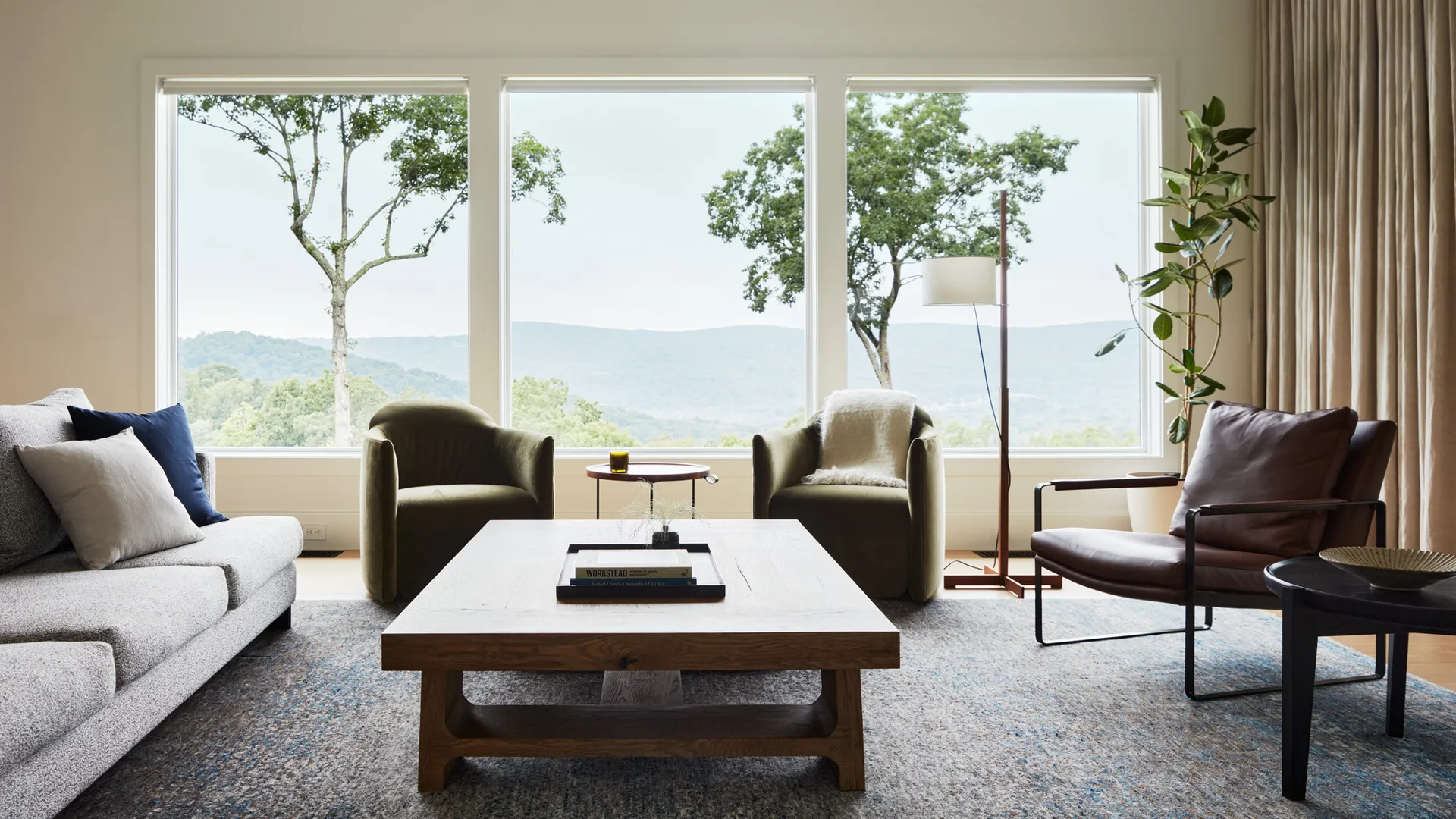
Living in a busy neighborhood has many advantages, including easy access to schools, workplaces, shopping centers, and entertainment. However, constant traffic, nearby construction, and everyday urban activity can make it difficult to enjoy peace and relaxation at home. Fortunately, thoughtful home design can help create a quiet and comfortable living environment even in the heart of a bustling community. By combining smart layouts, sound reducing materials, and calming interior choices, homeowners can transform their houses into peaceful retreats.
Start with a Smart Home Layout
The foundation of a quiet home begins with its layout. Rooms that require the most peace, such as bedrooms and home offices, should be positioned as far away from busy streets as possible. If building a new home is not an option, furniture placement can also make a noticeable difference. Large bookshelves, wardrobes, and storage units placed against exterior walls help reduce outside noise while adding functionality.
Modern homeowners often research various government initiatives before making home improvements. Programs such as pm surya ghar have encouraged many families to invest in energy efficient upgrades that can complement quieter and more comfortable living spaces through better insulation and sustainable home improvements.
Choose Materials That Reduce Noise
The materials used throughout a home play an important role in controlling sound. Thick curtains, upholstered furniture, area rugs, and carpets absorb echoes while reducing the amount of outside noise that enters indoor spaces. Double glazed windows are another effective investment because they block a significant amount of street noise while improving energy efficiency.
Walls can also be upgraded with sound insulating materials or acoustic panels, especially in rooms used for work, study, or relaxation. Even replacing hollow interior doors with solid wood doors can noticeably reduce the transfer of sound between rooms.
Bring Nature Into Your Home
Natural elements create a calming atmosphere while helping soften the effects of urban living. Indoor plants not only improve air quality but also contribute to a more peaceful environment. Outside the home, shrubs, hedges, and trees can act as natural sound barriers by reducing traffic noise before it reaches the building.
Creating a small garden, adding a water feature, or designing a green patio offers additional opportunities to escape the stress of city life without leaving home. These features encourage relaxation and improve the overall comfort of the property.
As more homeowners rely on digital services for property related information, resources such as the mee bhoomi ap gov platform demonstrate how technology has made accessing land records and property details more convenient for many residents planning home improvements.
Improve Interior Comfort Through Thoughtful Design
A quiet home is about more than reducing noise. Comfortable furniture, soft lighting, and neutral color palettes contribute to a relaxing atmosphere that supports physical and mental well being. Avoid overcrowding rooms with unnecessary decorations, as clean and organized spaces naturally feel more peaceful.
Lighting should also be carefully planned. Warm LED lighting creates a cozy environment during the evening, while maximizing natural daylight during the day reduces dependence on artificial lighting and makes rooms feel more open and inviting.
Use Technology Wisely
Modern technology can support quieter living when used thoughtfully. Smart thermostats, automated blinds, and energy efficient appliances often operate more quietly than older equipment. White noise machines or gentle background sounds can help mask occasional outdoor disturbances without becoming distracting.
Digital platforms continue to simplify many aspects of daily life beyond home management. For example, educational initiatives supported through the up digishakti portal highlight how digital infrastructure is improving access to technology and online services for many communities.
Create Dedicated Relaxation Zones
Every home benefits from having a dedicated area designed specifically for relaxation. This could be a reading corner, meditation space, hobby room, or a comfortable balcony filled with plants. Limiting electronic distractions in these areas allows family members to unwind more effectively after busy days.
Simple additions such as comfortable seating, scented candles, calming artwork, or soft background music help establish an environment where stress naturally fades away. Even a small space can become a valuable personal retreat when designed with comfort in mind.
Interestingly, people often balance practical responsibilities with recreational interests in daily life. Discussions surrounding topics like the punjab state dear 200 monthly lottery reflect how individuals engage with a variety of services while continuing to prioritize creating secure and comfortable homes for their families.
Conclusion
Designing a quiet living space in a busy neighborhood is entirely possible with careful planning and thoughtful choices. Smart room layouts, sound absorbing materials, natural landscaping, comfortable interiors, and modern technology all contribute to creating a peaceful home environment. While external noise may always be part of urban living, homeowners have many effective ways to minimize its impact.
Ultimately, a well designed home should provide more than shelter. It should offer a place where people can relax, recharge, and enjoy meaningful moments with family and friends. By focusing on comfort, functionality, and tranquility, any home can become a peaceful sanctuary despite the activity that surrounds it.