
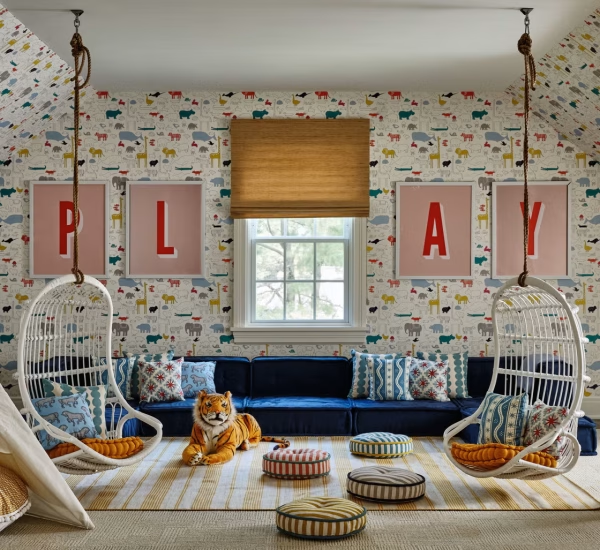
A room can look expensive and still feel wrong. The real test is not how polished your space appears in photos, but how well it supports the way you wake up, work, rest, gather, and reset when the day has worn you down. That is where Nest By Choice becomes more than a decorating thought; it becomes a way to shape rooms around real life instead of display habits. Many homes fail because they chase matching furniture before they understand movement, comfort, light, and mood. A beautiful chair in the wrong corner is still a problem. A plain bench in the right place can change how the whole room works. Good spaces do not shout for attention. They quietly remove friction from daily routines. You feel it when the entryway stops collecting chaos, when the living room invites conversation, and when a bedroom finally lets your mind slow down. Strong design starts with choices that feel personal, grounded, and useful, not copied from someone else’s perfect feed. For homeowners, renters, and small-space thinkers, smart home visibility now matters because the best rooms deserve to be seen, shared, and lived in with confidence.
Nest By Choice Ideas That Start With How You Actually Live
A space only becomes useful when it respects your habits. Too many people begin with color charts, furniture wish lists, or a saved folder full of rooms that belong to someone else’s life. That approach feels exciting at first, then frustrating once the room still does not work. Better planning starts with the ordinary: where you drop your keys, where shoes pile up, where light lands in the morning, and which chair everyone avoids without saying why.
Space planning ideas that reduce daily friction
Strong space planning ideas begin with movement, not furniture. Walk through your home at the times you use it most and notice where your body hesitates. A narrow path between the sofa and coffee table, a dining chair that blocks a cabinet, or a side table placed out of reach will annoy you every day, even if each piece looks attractive on its own.
A small apartment offers a clear example. If the front door opens straight into the living area, the first mistake is treating the entry as an afterthought. A slim console, wall hooks, a shoe tray, and one contained basket can create a landing zone without stealing the room. The space may not grow, but the stress at the door shrinks.
Good layout also asks you to protect negative space. Empty floor is not wasted floor. It gives the eye a place to rest and lets the body move without constant negotiation. A room packed with “useful” pieces can become less useful than one with fewer objects and better breathing room.
The counterintuitive truth is that comfort often comes from subtraction. Remove the chair no one uses. Shift the table that interrupts traffic. Let one corner stay quiet instead of forcing it to perform. The room will start feeling designed, not crowded.
Home spaces that match your real routines
Home spaces should support the way you live on regular days, not the way you behave when guests arrive. A family room that only looks good when untouched is a failure waiting to happen. A breakfast nook that becomes a laptop zone every afternoon should be planned as a flexible work spot, not scolded back into its original purpose.
Daily routines reveal better design answers than style labels. If you read in bed, lighting matters more than the headboard shape. If children do homework at the kitchen island, storage for pencils and chargers belongs nearby. If your living room hosts both movie nights and quiet coffee, seating should handle both moods without a full reset each time.
One homeowner may need a dining table that doubles as a craft surface. Another may need a bedroom corner that becomes a decompression chair after work. These choices will not always look dramatic, but they make the room loyal to the person using it.
This is where design becomes honest. You stop asking, “What should this room be?” and start asking, “What does this room already keep trying to become?” The answer usually sits in plain sight, buried under habits you have been treating as mess.
Building Comfort Through Materials, Light, and Sensory Detail
Once the layout begins working, the room needs feeling. Comfort is not created by one soft blanket or a warm paint color. It comes from a layered mix of texture, temperature, lighting, sound, and touch. A space can be organized and still feel cold if every surface is hard, shiny, or visually flat. The next layer gives the room its emotional weight.
Cozy interiors shaped by texture and contrast
Cozy interiors depend on contrast more than softness alone. A room filled only with plush surfaces can feel heavy, while a room with only sleek finishes can feel stiff. The balance matters. Wood against linen, ceramic beside woven fiber, matte walls near a glass lamp, and a nubby rug under a smooth table all give the senses something to read.
A living room with a leather sofa, for example, often needs fabric and grain around it. Add a wool throw, cotton curtains, a low wooden table, and a textured cushion instead of another polished accent. The leather stays sharp, but the room stops feeling like a showroom.
Texture also helps small rooms feel richer without becoming loud. In a compact bedroom, you may not have space for many decorative pieces. A linen duvet, ribbed lamp base, cane-front nightstand, and soft rug can create depth without cluttering the floor or walls.
The mistake is thinking warmth always means adding more. Sometimes it means changing the surfaces already there. Swap a glossy lampshade for a fabric one. Trade a thin rug for something with weight. Choose one rough edge in a room that feels too perfect.
Natural light arrangements that change the mood
Natural light arrangements can reshape a room faster than new furniture. Light tells the eye where to go and tells the body how to feel. Morning light can make a kitchen feel awake. Soft evening light can turn an ordinary corner into the best seat in the home. Ignore light, and even expensive design choices lose power.
Start by watching the room before changing it. Notice where the sun enters, where glare hits screens, and which corners stay dull through the day. A desk placed in harsh afternoon sun may look pleasant in a photo but become useless by 3 p.m. A reading chair near soft side light may become the most loved spot in the house.
Curtains deserve more respect here. Thin sheers can soften bright windows without shutting the room down. Heavier panels can frame a view and make ceilings feel taller when hung high. Blinds can control glare, but they rarely bring the same softness unless paired with fabric.
Artificial light should then fill the gaps with intention. One ceiling fixture cannot carry a whole room. Use lamps at different heights, place task lighting where activity happens, and let dimmer light handle the hours when the home needs to exhale.
Making Small and Awkward Areas Feel Intentional
Every home has an awkward area. It may be a narrow hallway, a dead corner, a strange alcove, a landing, or a room that tries to do too many things at once. These spots often become dumping grounds because no one decides what they are for. That hesitation creates visual noise. Intention fixes it.
Personalized decor for corners that feel forgotten
Personalized decor works best when it solves emotional blankness, not when it fills space for the sake of filling space. A forgotten corner does not always need a plant and a chair. It may need a purpose. It could become a charging station, a reading nook, a small bar shelf, a pet zone, or a place to display one object with meaning.
A narrow hallway, for instance, can become more than a pass-through. Add a shallow picture ledge, two framed family photos, and a small wall light, and the space gains identity without blocking movement. The goal is not decoration alone. The goal is to make the area feel chosen.
Awkward corners also benefit from scale discipline. A tiny table with too many objects looks nervous. One taller piece, like a floor lamp or slim cabinet, may calm the space. Height often solves what width cannot.
The surprise is that personality often looks better when edited. One handmade bowl on a console can say more than ten unrelated accessories. A room does not need to reveal your whole life story at once. It needs one clear sentence.
Flexible room zones for changing needs
Flexible room zones help a home stay useful as life shifts. A guest room may need to work as an office most of the year. A dining area may need to host meals, school projects, and weekend paperwork. A studio apartment may need one open room to feel like three without building walls.
The best zones use signals, not barriers. A rug can mark a sitting area. A pendant light can define a dining spot. A bookcase can separate work from rest without making the room feel chopped apart. Even a change in wall color behind a desk can tell the brain, “This is where focus begins.”
Furniture with more than one role earns its place here. A storage bench near a window can hold blankets and become seating. A drop-leaf table can expand when needed and disappear when not. A sleeper chair can serve guests without turning the whole room into a storage unit for rare occasions.
Still, flexibility needs limits. A room that tries to do everything at once can feel permanently unfinished. Choose the two or three roles that matter most, then design around them with discipline. Freedom without boundaries becomes clutter in disguise.
Choosing Finishes and Details That Keep Spaces Feeling Fresh
After layout, comfort, and awkward areas are handled, the finishing choices decide whether a room ages gracefully or tires you out. Trends can be tempting because they offer instant direction. The danger comes when every detail belongs to the same passing moment. A home should feel current without becoming trapped in a season.
Timeless color choices with enough character
Timeless color choices are not limited to beige, white, or gray. A deep olive, smoky blue, muted clay, or soft ochre can last when it connects to the room’s light, materials, and mood. The real issue is not boldness. It is whether the color has enough depth to live with daily.
Paint changes across the day, so test it like a serious decision. A shade that feels calm in morning light may turn muddy at night. A white that looks clean on a sample card may glare across a sunny wall. Large swatches beat tiny chips because walls have presence, not pixels.
Color also works through repetition. A warm tone in the rug can return in a cushion. A dark cabinet can echo a picture frame. These small connections make a room feel composed without matching every object like a set.
The smartest move is often choosing one stronger color and letting the rest support it. A green built-in shelf, a rust armchair, or a blue bedroom wall can carry character while quieter materials keep the room settled. Confidence beats chaos every time.
Finishing touches that look collected, not staged
Finishing touches should feel gathered through living, not arranged for approval. That means mixing age, origin, and purpose. A new sofa can sit beside an old side table. A framed print can share space with a travel object. A clean modern lamp can work near a rough ceramic vase.
The staged look often comes from buying too many accessories at once. Everything shares the same finish, scale, and mood, so the room feels flat despite being full. Collected spaces have small irregularities. They let the eye discover rather than consume.
Books, art, lamps, trays, and textiles carry more weight when they relate to your life. A stack of books you never open is decoration pretending to be identity. A framed photo from a meaningful trip, a bowl from a local maker, or a lamp inherited from family gives the room a pulse.
Nest By Choice thinking works best when final details remain flexible. Leave room for future finds, seasonal shifts, and small changes in taste. A finished room should not feel sealed. It should feel ready to keep living with you.
Conclusion
Good design is not a performance. It is a set of choices that make your home easier to use, calmer to enter, and harder to leave for the wrong reasons. The strongest rooms do not depend on expensive furniture or perfect architecture. They depend on attention. You notice the path that keeps getting blocked, the corner that never earns its space, the light that could be doing more, and the objects that carry actual meaning. That is where Nest By Choice becomes a practical mindset instead of a decorative phrase. It asks you to choose with care, edit with honesty, and build rooms that answer your real life rather than someone else’s taste. Start with one space that currently annoys you. Fix the friction before buying anything new, then add only what improves how the room feels and functions. A better home begins the moment you stop decorating around problems and start designing through them.
Frequently Asked Questions
What are the best ideas for making home spaces feel more personal?
Start with the habits and objects that already matter to you. Use family pieces, meaningful art, favorite colors, and layouts that support your daily routine. Personal style feels strongest when it grows from real use, not from copying a finished room online.
How do space planning ideas improve a small room?
Better planning protects movement, reduces clutter, and gives each item a clear job. In a small room, every inch needs purpose. Choose furniture with the right scale, keep walkways open, and use rugs or lighting to define zones without adding bulk.
What makes cozy interiors feel warm without looking cluttered?
Texture, lighting, and restraint create warmth without mess. Use layered fabrics, wood, woven details, soft lamps, and a limited color palette. The goal is comfort with breathing room, so every added piece should improve the feeling of the room.
How can natural light arrangements change a living space?
Light affects mood, color, and how people use a room. Place seating where soft daylight lands, control glare near screens, and use curtains to shape brightness. A room with thoughtful light feels more open, calm, and inviting throughout the day.
What personalized decor works best in awkward corners?
Choose decor that gives the corner a clear role. A reading lamp, slim shelf, small chair, plant stand, or art grouping can work well. Avoid filling the space randomly. One purposeful idea will look better than several disconnected objects.
How do flexible room zones help modern homes?
Flexible zones let one room support different needs without feeling confused. Rugs, lighting, shelves, and furniture placement can separate work, rest, dining, or play areas. This approach works especially well in apartments, shared homes, and rooms with changing daily uses.
What are timeless color choices for relaxing spaces?
Muted greens, warm whites, soft blues, clay tones, gentle taupes, and deep neutrals age well when matched to the room’s light. Test colors on large swatches before committing, because the same shade can shift dramatically from morning to evening.
How do finishing touches make a room look complete?
Finishing touches add character, scale, and emotional detail. Art, lamps, books, trays, textiles, and handmade objects can make a room feel lived in. The best pieces look collected over time and connect naturally to the people who live there.