
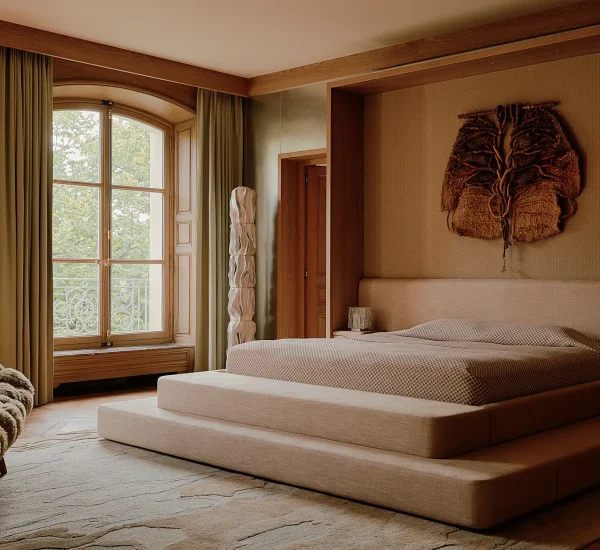
A home can look beautiful and still feel tense the moment you step inside. That is the part people miss: comfort is not decoration alone; it is the quiet agreement between light, layout, texture, sound, and the way your body reacts after a long day. Smart Nest By Choice Ideas work best when they turn your space into a place that lowers pressure without making the room feel staged. The goal is not to copy a catalog room. The goal is to build a home that knows how you live when nobody is watching.
Relaxation starts with decisions that feel small but change the mood fast. A chair facing natural light, a softer lamp near the bed, a landing spot for clutter, or a rug that warms a cold floor can shift how a room holds you. Even useful home planning resources from a trusted lifestyle network can help you notice patterns you might overlook. When your space supports rest instead of fighting it, your home stops being another task and starts becoming a steady place to return to.
Smart Nest By Choice Ideas That Begin With How You Actually Rest
Relaxation is personal, and that makes copy-paste design nearly useless. Some people unwind in silence, some need low music, some settle only when everything has a place, and others need a room that feels slightly imperfect before it feels livable. Smart homes fail when they chase a look before they understand a rhythm. A restful home starts by watching your habits with honesty.
Relaxation ideas for home routines that match real life
Your home should make the right behavior easier before you even think about it. A reading corner only works if the lamp is close, the seat supports your back, and the blanket is within reach. A calm bedroom only helps if the charging cables, laundry pile, and harsh ceiling light stop shouting at you from every direction.
One useful test is to walk through your evening as if you were tired, distracted, and half-ready to quit on the day. Notice where friction appears. Shoes without a home, keys floating around the counter, no dim light near the sofa, or a cold bathroom floor can make relaxation feel harder than it should. Rest often breaks at the smallest point of resistance.
A better routine does not need a full room makeover. It may need a tray, a lower-watt bulb, a basket, a chair angled away from the television, or a shelf that stops your bedside table from becoming a tiny landfill. The smartest relaxation ideas for home routines usually look boring at first. Then they quietly save your mood every night.
Cozy living space ideas that reduce visual noise
A room feels calmer when your eyes know where to land. Too many competing objects create low-level tension, even when each item is attractive on its own. The issue is not having things; the issue is making every surface demand attention at once.
Start with one visual anchor per zone. In a living room, that might be the sofa and a textured throw. In a bedroom, it might be the headboard and one warm lamp. In a small apartment, it might be a clean wall with a single framed piece instead of five small items fighting for the same patch of space.
Cozy living space ideas work best when they control contrast. A few rich textures can make a room feel warm, while too many colors, patterns, and shiny finishes can make it feel restless. The counterintuitive move is to remove one attractive thing if the room feels busy. Beauty can become noise when it has no pause around it.
Building Comfort Through Light, Texture, and Temperature
Once your routines are easier, the next layer is the physical feel of the room. Light changes your mood faster than most furniture does. Texture tells your body whether a space feels safe, cold, formal, or lived-in. Temperature decides whether you actually stay in the room or escape it after ten minutes. This is where relaxation becomes sensory, not theoretical.
Calming interior design through softer lighting
Overhead lighting has a habit of making rooms feel awake when you want them to settle down. Bright ceiling lights flatten a space and make shadows harsh. That works for cleaning, cooking, and finding lost earrings, but it rarely helps your nervous system slow down.
Layered lighting gives you choices. A floor lamp beside a chair, a small lamp on a console, and a soft bedside light can create a room that changes with the hour. The light should move lower as the evening moves later. That single rule can make a home feel more restful without buying a new sofa or repainting a wall.
Calming interior design does not mean dim and gloomy. It means controlled. Warm bulbs, shaded lamps, and light aimed at walls instead of faces can make a room feel settled while still useful. The mistake is treating brightness as the only measure of good lighting. Mood matters too.
Peaceful home setup with texture you can feel
A room that looks calm can still feel stiff if every surface is hard, slick, or cold. Texture gives relaxation a body. Linen curtains, a woven rug, cotton bedding, wood grain, soft upholstery, and a nubby cushion all speak to the senses before the mind catches up.
The trick is not adding softness everywhere. A room needs contrast to feel alive. Smooth wood against a soft throw, matte ceramics near a plush chair, or crisp sheets under a heavier blanket can make comfort feel layered rather than flat. Too much softness can become shapeless, which is why balance matters.
A peaceful home setup also respects temperature. A beautiful reading corner near a drafty window will not get used. A bedroom with lovely bedding but poor airflow will still feel wrong. Comfort is practical before it is poetic, and the body always gets the final vote.
Nest By Choice Ideas for Rooms That Support Quiet Habits
A restful home is not only about how it looks after cleaning. It is about what it allows you to do without effort. The best rooms almost guide you into better habits: slower mornings, calmer meals, easier sleep, less scrolling, and fewer tiny messes that grow into weekend chores. Nest By Choice Ideas matter most when they shape behavior without nagging you.
Relaxation ideas for home corners with a purpose
A corner becomes powerful when it has one clear job. The mistake is asking every corner to store, display, decorate, and function at once. A small space can become a tea corner, journal spot, stretching area, reading seat, or quiet phone-free pause zone if it has a clear purpose and the right supporting pieces.
A relaxation corner does not need much. A chair, a small table, a lamp, and one soft texture can be enough. Add a coaster, a notebook, or a small basket for whatever you use there. When the setup answers your needs before you reach for something, the habit becomes easier to repeat.
This is also where restraint pays off. Do not turn a calm corner into a shrine of scented candles, stacked books, ten cushions, and a tray full of objects. The corner should invite you in, not assign you maintenance. A useful quiet spot beats a photogenic one every single time.
Cozy living space ideas for shared rooms
Shared rooms carry more emotional weight because they hold different moods at once. One person wants to watch a show, another wants to read, and someone else may be half-working from the sofa. A room that ignores those competing needs becomes tense, no matter how nice it looks.
Use zones instead of walls. A chair angled slightly away from the television creates a quiet pocket. A side table near the sofa reduces clutter migration. A storage basket near the main seating area keeps blankets, remotes, and small items from taking over every surface. These choices protect the room from chaos without making anyone feel policed.
Cozy living space ideas for shared rooms should also include escape routes. Not dramatic ones. Practical ones. A person should be able to sit, read, sip coffee, or stare out the window without being pulled into every activity happening nearby. Good design gives people togetherness and breathing room at the same time.
Making Relaxation Last Without Turning Your Home Into a Project
A home stops feeling restful when every improvement becomes another demand. That is the trap. People start with the goal of comfort, then create a giant list of purchases, repairs, colors, storage systems, and perfect routines. The result is not peace. It is pressure wearing a nicer outfit.
Calming interior design through fewer, better changes
The strongest rooms often come from editing before adding. Remove the item that annoys you each morning. Fix the lamp that flickers. Clear the chair that always catches clothes. Move the mirror that reflects clutter back at you. These changes feel small, but they attack the points where stress enters the room.
Calming interior design also depends on choosing what deserves attention. A bedroom may need better bedding before it needs wall art. A living room may need a better layout before new decor. A hallway may need hooks more than a console table. Honest priorities keep you from spending money on the wrong layer.
The unexpected truth is that relaxation can come from finishing fewer things. One solved problem has more value than six half-started upgrades. A home feels safe when it gives you proof that life inside it can be managed.
Peaceful home setup you can maintain without guilt
A peaceful home setup has to survive normal life. If a system only works after a deep clean, it is decoration pretending to be function. Real comfort allows for laundry days, busy weeks, guests, pets, snacks, late nights, and mornings where nobody has the energy to reset the whole house.
Choose storage that matches your behavior. Open baskets work for blankets because you can toss them in fast. Closed boxes work for items you rarely use. A tray works for daily objects that would otherwise scatter. The right system is the one your tired self will still use.
Maintenance should feel like returning the room to itself, not performing for an imaginary guest. That mindset changes everything. When your home supports who you are instead of scolding who you are not, rest becomes easier to keep.
Conclusion
A relaxing home is built through repeated acts of respect for your own nervous system. It asks better questions than “Does this look good?” It asks whether the chair gets used, whether the light softens the evening, whether the hallway stops stealing your patience, and whether your bedroom helps you let go of the day. Those questions lead to stronger choices than trend-chasing ever will.
Smart Nest By Choice Ideas are not about making a perfect room. They are about making a room that understands the way you recover. Start with the place where stress shows up most often, then fix one real irritation instead of redesigning everything at once. Change the lamp, clear the corner, soften the floor, or give clutter a home. Begin where relief would be felt fastest, and let the rest of the house learn from that first calm win.
Frequently Asked Questions
What are the best smart nest by choice ideas for relaxation at home?
Start with lighting, layout, and clutter control before buying decor. A soft lamp, a clear resting zone, warm texture, and storage near where mess begins can make your home feel calmer fast. Relaxation improves when the room removes friction from your daily routine.
How can I create a relaxing living room without spending much money?
Rearrange furniture so one seat feels calm, lower the lighting, remove visual clutter, and add one soft texture such as a throw or rug. Small changes work when they solve real discomfort. Spend only after you know what the room is missing.
What cozy living space ideas work best for small homes?
Use clear zones, low-profile storage, warm lighting, and furniture that serves more than one purpose. A small home feels calmer when every item earns its space. Avoid overdecorating, because crowded rooms feel smaller and more tiring than simple ones.
How do relaxation ideas for home routines improve daily life?
They reduce tiny decisions that drain energy. A landing spot for keys, a ready reading chair, or a calmer bedside setup helps your day close with less effort. When your home supports habits naturally, rest becomes easier to repeat.
What makes calming interior design feel natural instead of staged?
Natural calm comes from comfort, use, and restraint. A room should show signs of life without feeling messy. Soft light, useful surfaces, honest materials, and enough empty space create ease without making the home feel cold or artificial.
How can I build a peaceful home setup for better sleep?
Start by removing bedroom friction. Keep harsh light out, control clutter near the bed, choose breathable bedding, and reduce phone temptation. A sleep-friendly room should signal closure, not activity. The goal is to help your body understand that the day is done.
Which colors are best for a relaxing nest by choice style?
Soft neutrals, muted greens, warm whites, gentle browns, and dusty blues often work well because they do not demand attention. The best color is one you can live with every day. Test it in morning and evening light before committing.
How often should I update my home for relaxation?
Update when a room stops supporting your life, not whenever a trend changes. Seasonal edits help, but constant redesign creates stress. Review your lighting, clutter points, and comfort pieces every few months, then adjust only what no longer serves you.