
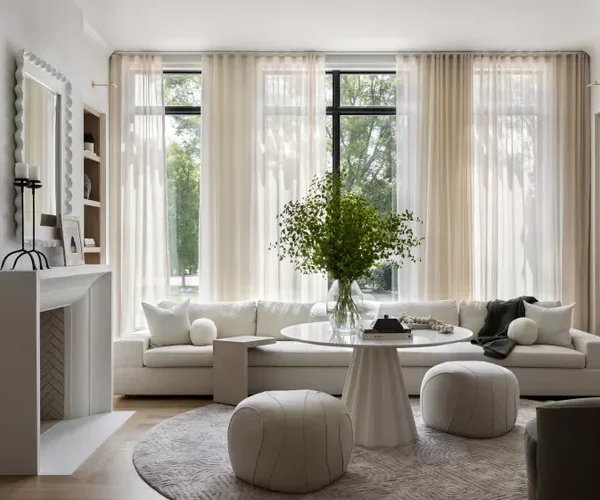
A beautiful room can calm your nervous system before you even sit down. That sounds dramatic until you walk into a space that has bad lighting, loud clutter, cold furniture, and no clear place to land after a long day. The best Nest By Choice Inspiration does not start with buying more decor; it starts with noticing how your home makes you behave. A room should help you slow down, think clearly, host easily, and feel a little more like yourself.
Good interior ideas also need taste with restraint. You do not need a showroom home, and you do not need every trend competing for attention in one corner. You need rooms that hold daily life without looking tired by Wednesday. A smart design approach, supported by thoughtful home lifestyle visibility, can turn simple choices into a stronger interior story. When your space has rhythm, warmth, and purpose, it stops feeling decorated and starts feeling chosen.
Nest By Choice Inspiration Begins With How a Room Feels
The first mistake people make with interiors is treating the room like a photograph instead of a lived place. A photo rewards perfection; a home rewards comfort, movement, and memory. Strong interior inspiration should begin with the feeling you want when you enter, because that feeling decides what stays, what goes, and what never belonged there in the first place.
Interior inspiration ideas that start with mood
A room carries a mood whether you planned one or not. Pale walls, bare floors, and harsh overhead light can make a clean room feel unfinished. Deep textures, softer lighting, and a chair angled toward conversation can make the same square footage feel settled.
Start with one emotional word before you buy anything. Calm, bright, grounded, social, focused, warm, or restful will guide better choices than chasing a style name. “Modern rustic” or “minimal cozy” can help later, but mood is the compass that keeps your decisions from drifting.
This is where interior inspiration ideas become useful instead of decorative noise. A reading corner, for example, does not need ten accessories. It needs a lamp that flatters the hour, a surface for a cup, a seat that supports your back, and enough quiet around it to make the invitation clear.
Cozy home interiors need boundaries
Comfort fails when every part of the room tries to be soft. Too many cushions, too many throws, too many warm tones, and suddenly the space feels sleepy rather than welcoming. Cozy home interiors work best when comfort has contrast.
Place softness next to structure. A linen sofa feels better beside a clean-lined wood table. A thick rug feels richer under a simple chair. A curved lamp gains more presence near a straight-edged cabinet. The mix gives the eye a place to rest without letting the room collapse into sameness.
Boundaries also matter in open layouts. A rug can mark the seating area, a pendant can define dining, and a console can separate entry from living space without building a wall. Cozy home interiors often succeed because they tell your body where each activity begins and ends.
Shape the Room Around Real Daily Habits
Once the mood is clear, the next layer is behavior. Your home already knows your habits because it catches the evidence: shoes near the door, mail on the counter, laundry on a chair, chargers tangled near the sofa. Design gets better when you stop fighting those patterns and build around them.
Modern interior styling for actual routines
Modern interior styling should make daily life easier, not colder. A clean room that cannot handle bags, keys, pets, snacks, homework, or guests is not designed well. It is staged against reality.
Think about the first five minutes after you enter your home. If there is no place for keys, the nearest table becomes a dumping ground. If shoes have no clear zone, the entry starts looking careless. A narrow cabinet, a basket, a wall hook, and a small tray can solve more visual mess than a weekend of angry decluttering.
Modern interior styling also works better when storage stays close to the action. Blankets belong near the sofa, not in a far closet. Serving pieces belong near the dining area, not hidden behind holiday boxes. Good placement lowers friction, and lower friction keeps rooms looking intentional without constant effort.
Home decor inspiration that edits before it adds
Home decor inspiration often pushes people to buy the missing piece, but the stronger move is usually subtraction. Remove the object that weakens the room before adding the object you think will save it. A tired side table, a random print, or a lamp in the wrong scale can drag down everything around it.
Editing does not mean stripping the room bare. It means letting the best pieces speak without background noise. Keep the ceramics you still reach for, the art that holds your attention, the blanket that feels good in your hands, and the books that say something true about you.
A good test is simple: would you choose this item again today? If the answer is no, it may be living in your room through habit rather than value. Home decor inspiration becomes sharper when it has the courage to leave blank space alone.
Use Color, Light, and Texture Like Quiet Architecture
After mood and habits, the room needs atmosphere. Color, light, and texture shape that atmosphere more than furniture does. They can make a small room feel generous, a plain room feel layered, and a dark corner feel intentional rather than forgotten.
Interior inspiration ideas for layered light
Light decides whether your decor looks thoughtful or flat. One ceiling fixture cannot carry a room through morning coffee, afternoon work, dinner, and late-night rest. You need layers because the room has more than one job.
Use ambient light for general glow, task light for reading or cooking, and accent light for depth. A floor lamp near the sofa, a small lamp on a console, and under-shelf lighting in a kitchen can change the whole emotional register of the space. The furniture may stay the same, but the room starts behaving differently.
Natural light deserves equal respect. Heavy curtains can make a room feel expensive, but they can also steal the best part of the day. Sheers, woven shades, or lighter panels often give privacy while keeping the room awake.
Cozy home interiors gain depth from touch
Texture is the part of design people feel before they name it. A room with only smooth surfaces can look polished and still feel thin. Add grain, weave, matte finishes, ribbed glass, stone, wool, cane, or brushed metal, and the room starts to hold attention longer.
The trick is not adding every texture you like. Pair one dominant texture with two supporting ones. A wool rug, wood table, and linen curtain can do more than six competing finishes. Texture should create depth, not argument.
Touch also carries memory. The worn edge of a wooden chair, the cool weight of a ceramic bowl, the soft drag of cotton bedding: these details make a room feel inhabited in the best sense. Cozy home interiors come alive when the hand enjoys what the eye approves.
Let Personal Details Carry the Interior Story
A polished room without personality feels oddly tense. It asks you to admire it but gives you nowhere to connect. The final layer of a strong interior is not more styling; it is evidence of a life being lived with taste, humor, care, and some honest imperfection.
Modern interior styling with meaningful objects
Personal objects need placement, not apology. A travel bowl, framed note, inherited stool, or handmade piece can become the soul of a room when you give it breathing room. The problem is rarely the object itself; the problem is crowding it among things that do not matter.
Group personal pieces by tone, material, or memory rather than scattering them everywhere. A shelf with family photos, one sculptural object, and a stack of art books can feel considered. A shelf packed edge to edge with unrelated keepsakes starts to feel like storage in public.
Modern interior styling becomes warmer when it allows one odd piece to stay. Not everything has to match. A room with one charming interruption often feels more human than a room where every item seems approved by the same catalog manager.
Home decor inspiration should age with you
Good interiors leave room for future versions of your life. Your taste will change, your routines will shift, and the room should not punish you for growing. Choose flexible foundations, then let smaller details carry the seasonal or emotional changes.
A neutral sofa, solid dining table, and classic rug can support many moods over time. Pillows, art, lampshades, vessels, and wall color can shift when your eye wants something fresher. This keeps the room from becoming a museum of one decision you made years ago.
Home decor inspiration should also respect wear. A scratch on a table from a family dinner may hold more beauty than a flawless surface nobody touches. The goal is not to freeze the room at its best angle; the goal is to let it gather life without losing shape.
Conclusion
A home does not become beautiful because every object is expensive, current, or perfectly matched. It becomes beautiful when every choice supports the way you want to feel and live. That is the real power of Nest By Choice Inspiration: it gives you permission to design from the inside out, not from the trend cycle inward.
Start with one room and one honest question: what does this space keep making harder than it needs to be? Fix that first. Then adjust the light, edit the surfaces, soften the right corners, and give your meaningful pieces enough space to speak. The best interiors are not loud about their effort. They feel easy because someone made thoughtful decisions before the room asked for them.
Choose one corner today, remove what weakens it, and add one thing that makes your life feel better there.
Frequently Asked Questions
What are the best Nest By Choice interior ideas for a small room?
Choose fewer pieces with stronger purpose. A small room needs clear walking paths, layered lighting, slim storage, and one strong focal point. Avoid tiny furniture everywhere, because that can make the room feel nervous. Scale matters more than square footage.
How can cozy home interiors look stylish without feeling cluttered?
Keep comfort focused in specific zones. Use soft textiles, warm light, and tactile materials, then leave some surfaces open. A cozy room needs relief as much as fullness. When every corner is filled, warmth turns into visual weight.
What modern interior styling choices make a home feel warmer?
Use warmer bulbs, natural materials, curved forms, and textured fabrics. Modern spaces often feel cold when they rely on hard surfaces and sharp lines alone. Wood, linen, wool, ceramics, and soft contrast bring warmth without making the room feel old-fashioned.
How do I find home decor inspiration that matches my lifestyle?
Look at your daily habits before looking at photos. Notice where clutter gathers, where you relax, and which rooms you avoid. The best inspiration supports those patterns instead of pretending you live a cleaner, quieter, more staged version of your life.
What interior inspiration ideas work well for rental homes?
Focus on lighting, rugs, curtains, removable wallpaper, art, and freestanding storage. These changes create strong visual impact without permanent construction. A rental can still feel personal when the movable layers carry color, texture, and story.
How many colors should I use in one interior space?
Most rooms work well with one main color, one supporting color, and one accent. Add texture to keep the palette from feeling flat. Too many colors can weaken the mood, while too few can make the room feel unfinished.
What is the easiest way to refresh a room on a low budget?
Edit first, then change lighting and textiles. Removing weak pieces costs nothing and often improves the room immediately. After that, new pillow covers, a better lamp, fresh curtains, or a larger rug can shift the whole space without a full redesign.
How can I make my interiors feel personal but still polished?
Display fewer personal items with more intention. Give meaningful objects space, group them thoughtfully, and mix them with clean shapes or natural materials. Personal style feels polished when each piece has room to be noticed rather than buried in visual noise.