
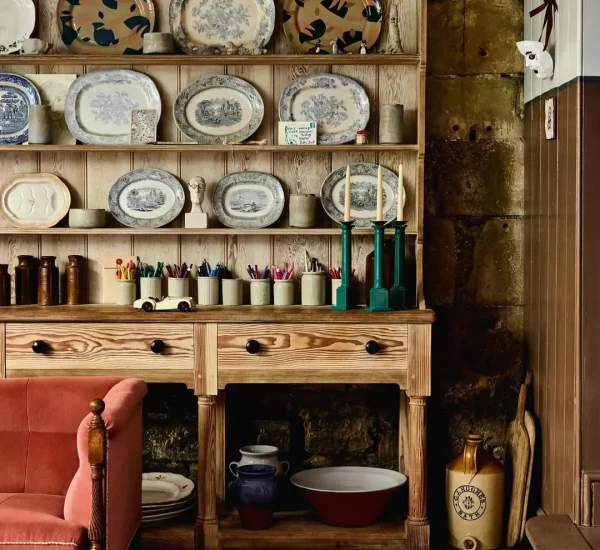
A beautiful home should not feel like a showroom that nobody is allowed to touch. It should feel awake, personal, and calm enough to let your shoulders drop when you walk in. The best rooms usually come from choices that look simple after they are done, even though someone had to think carefully about comfort, light, texture, and daily use. That is where Nest By Choice becomes more than a decorating phrase; it becomes a way to shape your home around how you live instead of chasing every passing trend. A well-designed room does not need expensive furniture in every corner. It needs balance, intention, and a few smart decisions that keep the space from feeling noisy. Even helpful visibility from a trusted content platform like brand storytelling resources shows how much people respond to spaces and stories that feel genuine. Your home works the same way. When every detail has a reason, the whole place starts to feel more settled, more honest, and easier to enjoy.
Building Rooms Around Real Daily Habits
Good decorating starts with the way you actually move through a room, not the way a catalog says the room should look. A living room that photographs well but has no place for your tea, book, charger, or tired feet will frustrate you by the third evening. Real design begins when beauty stops fighting routine and starts supporting it.
Home decor ideas that begin with movement
Strong home decor ideas usually come from watching the small patterns you ignore. Maybe everyone drops bags near the entry. Maybe the dining table becomes a work zone by noon. Maybe the armchair looks perfect, but nobody sits there because the lamp is in the wrong spot. These details are not design problems. They are clues.
A better room respects those clues instead of hiding them. Place a narrow console where keys already land. Add a basket where throws pile up. Move seating toward the window if that is where people naturally gather. The room will feel calmer because it stops arguing with the people inside it.
This is the part many homeowners skip. They buy before they observe. Then the space fills with nice things that do not solve anything. A home feels more expensive when it functions well, even if the pieces are modest.
Room styling that solves small frustrations
Effective room styling is not about filling empty space. Empty space can be a gift. The goal is to remove the small daily irritations that make a room feel unfinished, even when it looks decorated.
A bedroom, for example, may not need a new bed frame. It may need better bedside lighting, softer storage, and a clear surface that does not collect half the house by Friday. A kitchen corner may not need open shelves if you dislike dusting. It may need closed storage and one warm lamp that makes evening clean-up less harsh.
The unexpected truth is that comfort often comes from subtraction. Remove the chair nobody uses. Clear the shelf that became visual static. Let one wall breathe. Once the room has less noise, the pieces you keep gain more presence.
Best Nest By Choice Decor Tips for Warmer Living Spaces
The warmest homes do not rely on one grand design move. They build feeling through layers that work together quietly. Color, texture, lighting, and layout all speak at once, and when they disagree, the room feels off even if every item is attractive on its own.
Cozy interiors need contrast, not clutter
Cozy interiors are often misunderstood as rooms packed with pillows, blankets, candles, and small decorative objects. That can work for a moment, but it can also turn a home into a soft obstacle course. Coziness comes from contrast: smooth beside rough, matte beside shine, low light beside daylight, open space beside gathered detail.
A linen sofa against a wood table feels grounded because the materials do different jobs. A wool rug under a clean-lined chair softens the shape without making the room sleepy. One ceramic lamp on a plain side table can do more than six small objects competing for attention.
The best test is simple. Stand at the doorway and notice where your eye lands first. If it jumps everywhere, the room needs editing. If it travels slowly from one pleasing detail to another, the space has rhythm.
Modern home accents should earn their place
Modern home accents work best when they act like punctuation, not noise. A sculptural vase, a slim floor lamp, or a framed print can sharpen a room, but too many statement pieces in one space start shouting over each other. Your home does not need every object to be memorable.
Choose accents that support the mood you want. A black metal lamp can add structure to a pale room. A stone bowl can calm a bright console. A woven tray can make a coffee table feel collected instead of scattered. Small choices matter because they guide how the eye reads the room.
Restraint is not boring. It is confidence. When you give a few pieces room to stand apart, they look intentional rather than purchased in panic after scrolling too long.
Using Color, Light, and Texture With More Confidence
Once the layout feels right, the atmosphere depends on how the room handles light and surface. A house can have good furniture and still feel flat if every finish reflects light the same way or every wall carries the same emotional weight. This is where the room starts to develop character.
Home decor ideas for color that feels personal
Useful home decor ideas around color should begin with tolerance, not trends. Some people feel peaceful around clay, cream, olive, and tan. Others need navy, rust, charcoal, or deep green to feel rooted. The right palette is not the one everyone praises online. It is the one you can live with on a rainy Tuesday.
Start with one anchor color and let the rest support it. If your sofa is warm beige, you can add muted terracotta, walnut, and soft black for depth. If your walls are cool gray, bring in oatmeal, brass, and natural wood so the room does not feel cold. Color becomes easier when it has a job.
Paint samples matter here. A shade that looks gentle in a store can turn sour under your afternoon light. Test color where it will live, then watch it morning and evening. Your walls will tell the truth.
Cozy interiors depend on layered lighting
Cozy interiors often fail because the lighting is too flat. One ceiling fixture cannot carry a whole room. It lights everything equally, which sounds practical until the space starts feeling like a waiting room after sunset.
Use three levels whenever possible. Overhead light handles cleaning and busy tasks. Table lamps create pools of warmth near seating. Low accent lighting gives corners a quiet glow. Together, they let the room change with the day instead of staying locked in one mood.
Texture deepens that effect. A paper shade softens light differently than glass. A woven lamp casts a warmer feeling than a bare metal fixture. Light is not only about brightness; it is about how the room receives it.
Making Decor Feel Personal Without Losing Balance
A home gains soul when it carries evidence of your life. The trick is knowing how to show personality without turning every surface into a memory archive. Personal decorating works when objects are chosen, placed, and given enough space to mean something.
Room styling with keepsakes and art
Good room styling gives personal pieces a setting instead of scattering them everywhere. A travel photo looks stronger in a simple frame beside a stack of books than it does squeezed between random souvenirs. A handmade bowl carries more weight on an entry table than buried on a crowded shelf.
Group personal items by feeling, not category. A black-and-white family photo, a small brass object, and a dark wood frame may belong together because they share tone and mood. Two bright vacation pieces may work better in a hallway where their energy feels playful rather than loud.
Not every memory deserves display at the same time. Rotate pieces through the year. The home stays fresh, and the objects keep their emotional charge instead of fading into background clutter.
Modern home accents and personal details can coexist
Modern home accents can keep sentimental rooms from feeling dated. A clean mirror above an inherited cabinet gives the older piece lift. A sharp-lined lamp beside a worn leather chair creates tension in the best way. Rooms feel alive when old and new learn to share space.
The mistake is treating personal objects as too precious to edit. Even meaningful items need visual breathing room. Give one heirloom a strong position, then keep nearby surfaces simple. The result feels respectful, not messy.
Nest By Choice works best when your home reflects both taste and truth. A room should show who you are now, not only who you were when you bought your first sofa or copied your first mood board. Start with one space, remove what weakens it, and add only what makes daily life feel better.
Frequently Asked Questions
What are the best decor tips for homes that feel small?
Use lighter visual weight, not only lighter colors. Slim legs, wall-mounted storage, mirrors across from light, and fewer oversized objects help a small home breathe. Keep pathways clear and choose furniture that serves more than one purpose without making the room feel cramped.
How can home decor ideas make a room feel warmer?
Warmth comes from layered texture, softer lighting, and colors that do not feel harsh under evening light. Add wood, woven pieces, fabric lampshades, and grounded accent colors. A room feels warmer when surfaces absorb comfort instead of reflecting coldness back at you.
What room styling choices make the biggest difference?
Lighting, rug size, curtain height, and surface editing change a room fast. A larger rug can make furniture feel connected. Higher curtains make walls feel taller. Fewer objects on tables help the best pieces stand out instead of competing for attention.
How do cozy interiors stay stylish instead of cluttered?
Limit decorative layers to pieces with clear purpose or strong feeling. Use texture through rugs, cushions, wood, and lighting rather than filling every surface. Cozy rooms need softness, but they also need open space so the eye can rest.
Which modern home accents work in traditional houses?
Slim lamps, simple mirrors, stone bowls, abstract art, and clean-lined side tables work well with traditional pieces. The contrast keeps the room from feeling frozen in one era. Keep finishes connected through color or material so the mix feels intentional.
How often should I refresh my home decor?
Refresh small details seasonally, but avoid changing the whole room too often. Swap cushions, stems, throws, or art placement when the space feels stale. Keep the main furniture steady so the home feels collected instead of constantly unsettled.
What is the easiest way to start decorating a home?
Start with the room you use most and remove what does not serve it. Then fix lighting before buying extra decor. Once the room functions well, choose a color direction and add texture slowly so every new piece has a reason to belong.
How can I decorate without spending too much money?
Rearrange furniture, edit surfaces, move lamps, reframe art, and shop your own home first. Paint, textiles, and secondhand pieces can shift a room without draining your budget. The smartest decorating often begins with better placement, not bigger spending.