
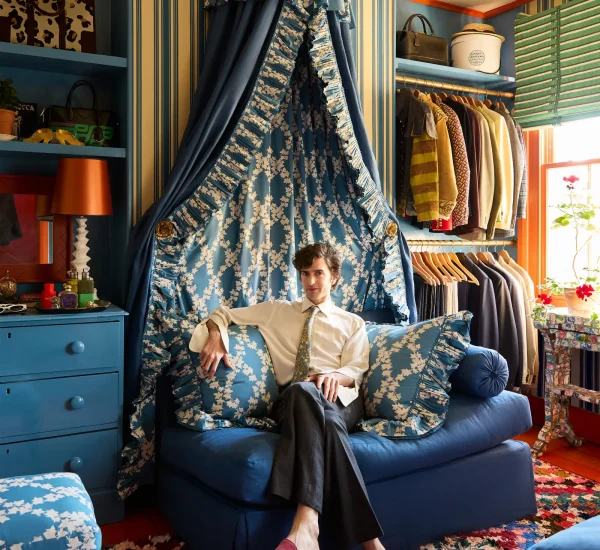
A home can look expensive and still feel cold. The rooms that stay with you are not the ones filled with perfect objects; they are the ones that seem to understand how you live. Nest By Choice should feel less like a decorating formula and more like a quiet decision to make every room warmer, smarter, and easier to enjoy. That starts with noticing what your space already says before you add another chair, lamp, rug, or paint color.
Good interiors do not happen because every item matches. They happen because every choice has a reason. A small apartment, a family villa, a rental flat, or a compact city home can all feel deeply personal when the layout supports daily habits, the colors calm the eye, and the details carry meaning. Even a resource like thoughtful home storytelling can remind you that interiors work best when beauty and purpose share the same room. The real goal is simple: build a home that looks considered without feeling staged.
Reading the Room Before You Change It
A room usually tells the truth before the owner does. The sofa no one sits on, the corner that gathers clutter, the dining table that turns into a laptop zone by noon — these little habits expose what the space needs. Before buying anything new, slow down and watch how the room behaves during a normal day. That single step can save you from costly mistakes and weak choices.
Why home interiors should begin with behavior
Home interiors work better when they follow movement instead of fighting it. If everyone drops keys near the door, the answer is not a lecture about tidiness; the answer is a tray, hook, or slim console where the habit already happens. Design becomes easier once you stop pretending people will behave like catalog models.
This is where many rooms go wrong. A layout may look balanced in photos, yet feel annoying at 7 a.m. when someone needs coffee, shoes, a charger, and a clear path to the door. A beautiful chair placed in the wrong traffic line becomes an obstacle with upholstery. The room may look complete, but daily life keeps voting against it.
A better approach starts with honest observation. Notice where light falls, where people gather, where clutter returns, and where the room feels tense. Those clues matter more than trends because they come from the home itself. When behavior leads the plan, the finished space feels natural rather than imposed.
What cozy interior style gets right about comfort
Cozy interior style is often misunderstood as piles of blankets and warm-toned everything. That can work, but comfort is not only softness. Comfort is the feeling that the room has lowered its voice. It gives your eyes fewer battles, your body better places to rest, and your mind less friction after a long day.
A reading chair near a window can do more for comfort than a room full of decorative objects. A soft lamp near the sofa can change the evening mood faster than a new wall color. A rug that holds the seating area together can make conversation feel closer. None of this needs to shout.
The counterintuitive truth is that comfort often comes from restraint. Too many “cozy” items can make a room feel heavy and trapped. Leave space around favorite pieces so they can breathe. The best cozy interior style feels held together, not stuffed together.
Building Layers That Feel Collected, Not Crowded
Once the room’s habits are clear, the next move is layering. Texture, color, furniture, lighting, and personal details all shape the final mood, but they need order. Without order, layering turns into visual noise. With order, even modest pieces can feel rich and intentional.
How interior design tips can prevent visual clutter
Interior design tips often focus on what to add, but the stronger skill is knowing what to stop adding. A room needs contrast, rhythm, and a few moments of pause. If every wall, table, shelf, and corner demands attention, the eye has nowhere to rest. That is when a decorated room starts feeling restless.
Start by choosing one main visual anchor. It might be a sofa, artwork, fireplace, window view, or dining table. Everything else should support that anchor instead of competing with it. This does not mean the room becomes plain. It means the strongest element gets room to lead.
A useful test is to stand at the entrance and ask what your eye notices first. If five things answer at once, edit before you buy. Remove one loud object, shift one color, or clear one surface. Good design sometimes begins with subtraction, and that is the part people underestimate.
Turning nest decor ideas into personal layers
Nest decor ideas become stronger when they carry memory, not only style. A handmade bowl from a trip, a framed note, a lamp inherited from family, or a stack of books you actually read can add warmth that no showroom can fake. Personal layers make the room feel lived in without making it messy.
The trick is control. Personal does not mean every meaningful item belongs on display at once. Choose the pieces that say the most with the least effort. Give them breathing room on shelves, sideboards, and walls so they feel chosen rather than stored in public.
A good room has a few quiet surprises. Maybe the hallway holds a small gallery of black-and-white family photos. Maybe the guest room has a painted stool from a local market. Maybe the kitchen shelf mixes ceramic jars with one odd little sculpture that makes people smile. These details turn nest decor ideas into identity, and identity is what makes a home hard to forget.
Choosing Color, Light, and Materials With Discipline
The strongest interiors usually have a calmer base than people expect. Color, light, and material choices set the emotional temperature of a home, so they deserve more care than impulse shopping. A room can survive an average cushion, but poor lighting or a confused palette will drag everything down.
Nest By Choice Through Color and Mood
Color should not be chosen from a paint chip alone. It changes with daylight, bulb temperature, floor color, ceiling height, and nearby furniture. A beige wall can look creamy in one room and dull in another. A green that feels elegant in morning light may turn muddy at night. Test before committing, and test in the actual room.
A practical palette often works best with one steady base, one supporting tone, and one controlled accent. For example, warm off-white walls, walnut furniture, and muted clay accents can make a living room feel calm without becoming flat. In a bedroom, soft taupe, linen white, and faded blue may create rest without drifting into blandness.
The unexpected move is to avoid picking colors only because you “like” them. You may love deep red, but that does not mean you want to wake up surrounded by it every morning. Ask what the room needs to make you feel. Color is not decoration first. It is atmosphere.
Why lighting decides the success of home interiors
Lighting carries more power than most furniture. A room with weak lighting can make expensive pieces look tired, while a modest room with layered light can feel polished and welcoming. Ceiling lights alone rarely do enough. They flatten faces, sharpen shadows, and make evenings feel exposed.
Better lighting comes in layers. Use overhead light for general brightness, floor lamps for height, table lamps for warmth, and small accent lights for depth. A dimmer can change the same room from work mode to dinner mode without moving a single chair. That kind of flexibility matters.
Home interiors also need different lighting moods across the day. Morning light should help you move. Afternoon light should support tasks. Evening light should soften the room and signal rest. When lighting follows your rhythm, the entire home feels more intelligent without needing anything flashy.
Making Function Beautiful Enough to Last
A home that only looks good on day one has failed. Real interiors must survive laundry, guests, pets, children, late dinners, busy mornings, and the odd week when nobody has the energy to put everything back perfectly. Function is not the enemy of beauty. It is the reason beauty lasts.
Where interior design tips matter most in small decisions
Interior design tips earn their value in small choices, not dramatic makeovers. The height of a bedside lamp, the depth of a sofa, the finish on a coffee table, and the placement of a mirror can change how a room feels every day. These details rarely get applause, but they shape comfort more than big gestures.
A narrow hallway, for example, may not need art on both sides. It may need one mirror, a runner, and better lighting. A compact living room may not need a sectional. It may need two lighter chairs, a slimmer sofa, and a round table that keeps movement easy. The smartest choice is often the one that removes friction.
Small decisions also protect the budget. Buying the wrong large piece can force every later choice to compensate for it. Measure twice, tape furniture outlines on the floor, and think about doors, drawers, and walking paths. Good design respects inches because inches decide whether a room feels graceful or cramped.
Making nest decor ideas work beyond the photo
Nest decor ideas must hold up after the camera leaves. A coffee table arrangement that needs constant fixing will not last. White upholstery in a busy family room may create more stress than beauty. Open shelving can look charming until it becomes a stage for dust and mismatched mugs.
Durable choices can still look refined. Washable fabrics, closed storage, rounded corners, wipeable finishes, and layered rugs all support real life without making the room feel dull. A family room can have elegance and snack-proof surfaces. A rental kitchen can have charm without permanent changes.
The better question is not “Will this look good?” It is “Will this still make sense six months from now?” That question cuts through impulse. It pushes you toward pieces that age well, materials that forgive daily life, and layouts that keep working after the first wave of excitement fades.
Bringing the Whole Home Into One Clear Story
Rooms do not need to match, but they should recognize one another. A home feels settled when the spaces share a quiet thread: a repeated wood tone, a consistent metal finish, a family of colors, or a certain level of simplicity. The thread does not have to be obvious. It only needs to keep the home from feeling like several unrelated ideas under one roof.
How cozy interior style can connect different rooms
Cozy interior style can act like a soft bridge between rooms. A warm runner in the hallway, linen curtains in the bedroom, woven baskets in the living room, and gentle lighting near the entry can create continuity without copying the same look everywhere. The home begins to feel connected through mood rather than repetition.
This matters most in open-plan spaces. When the kitchen, dining area, and living room sit close together, each zone needs its own role while still belonging to the same story. You can shift textures, vary furniture shapes, and change accent colors, but one or two shared elements should keep the eye calm.
A connected home feels easier to live in because it reduces visual noise. You are not entering a new design argument every time you cross a doorway. The spaces speak in related tones, and that quiet agreement makes the whole home feel more mature.
Knowing when the room is finished
A room is finished when adding more would weaken it. That sounds simple, but it takes discipline. Many people keep decorating because the room feels almost right, when the real issue is not emptiness. It may be scale, lighting, placement, or one color that refuses to cooperate.
Walk away for a day before adding the final layer. Return at a different time and notice what bothers you first. If the problem disappears, it was probably impatience. If the same corner still feels wrong, solve that specific issue instead of shopping broadly.
The final stage is where restraint matters most. One large plant may beat three small accessories. One strong artwork may beat a gallery wall. One better lamp may beat a basket of decorative fillers. The room should end with confidence, not exhaustion.
Conclusion
A good interior does not beg for attention. It supports your routines, reflects your taste, and gives each room enough clarity to feel calm without becoming lifeless. That balance is the real promise behind Nest By Choice: a home shaped through intention rather than impulse. When you understand how your rooms behave, choose layers with care, respect light and color, and let function protect beauty, the whole space begins to feel easier to live in.
The next step is not to redesign everything at once. Pick one room, stand in the doorway, and name the one thing that bothers you most. Fix that before buying anything else. A home improves faster when you solve the right problem in the right order, and the best interiors are built one honest decision at a time.
Frequently Asked Questions
What are the best Nest By Choice tips for small interiors?
Start with movement, storage, and light before choosing decor. Small interiors feel better when furniture has clear purpose, pathways stay open, and lighting reaches corners. Choose fewer pieces with stronger scale instead of many small items that make the room feel crowded.
How can interior design tips make a room feel warmer?
Warmth comes from layered lighting, softer textures, balanced color, and personal objects with meaning. A room can feel warmer with a table lamp, woven rug, wood tone, or fabric curtain long before it needs new furniture or a full makeover.
What home interiors mistakes should I avoid first?
Avoid buying furniture before measuring, copying trends without checking your lifestyle, and relying on ceiling lights alone. These mistakes create rooms that look planned but feel awkward. Start with daily habits, then choose pieces that support how the space is actually used.
How do nest decor ideas work in a rental home?
Focus on removable changes such as rugs, lamps, curtains, peel-and-stick details, artwork, and freestanding storage. Rental spaces can still feel personal when you control texture, lighting, and layout. Save permanent upgrades for items you can take with you later.
What cozy interior style choices work in modern spaces?
Modern spaces need warmth from texture, lighting, and natural materials. Try linen, wool, wood, ceramic, and soft-toned rugs against cleaner furniture lines. The goal is not clutter; it is contrast that keeps the room from feeling cold or unfinished.
How often should home interiors be updated?
Update when the room no longer supports your life, not when a trend changes. A seasonal fabric swap or lighting adjustment may be enough. Larger changes make sense after a move, lifestyle shift, furniture wear, or repeated frustration with how the room functions.
What are simple interior design tips for beginners?
Begin with one room and one problem. Measure everything, improve lighting, clear surfaces, and choose a calm color base before buying accents. Beginners often improve a space faster by editing what exists than by adding more decorative pieces.
How can nest decor ideas make a home feel personal?
Choose objects connected to memory, craft, travel, family, or daily rituals. Personal decor works best when displayed with restraint, so each item has room to matter. A few meaningful pieces will always feel stronger than shelves filled only to look complete.