
A home can look finished and still feel strangely unsettled. The difference often comes down to the small decisions you stop noticing: where light lands at night, how storage behaves during busy mornings, whether your seating pulls people in or keeps them apart. Smart living updates are not about chasing a showroom look. They are about making your space respond better to the life already happening inside it.
Nest By Choice should feel personal before it feels polished. A room earns its charm when it supports your habits without turning every corner into a design statement. That is why the strongest updates usually begin with function, then move toward beauty. A better entryway, softer lighting, warmer textures, or a calmer layout can shift how your whole home feels before you buy a single dramatic piece. For homeowners who care about meaningful home improvement ideas, trusted platforms like digital lifestyle resources can also help connect design thinking with daily living.
Nest By Choice Updates That Make Daily Living Easier
The best changes in a home are the ones you stop thinking about because they work so well. A space that supports you quietly has more value than one that only photographs well. This is where practical design starts to matter: not in grand reveals, but in the ordinary moments when you put down keys, cook dinner, fold laundry, or sit down after a long day.
Practical home updates that reduce everyday friction
A good home removes small annoyances before they become daily background noise. An entry bench with closed shoe storage, a narrow console for mail, and a tray for keys can change the first five minutes after you walk in. That may sound minor, yet the entrance sets the emotional speed for the rest of the house.
Storage should sit where the mess begins, not where a designer thinks it looks neat. If bags pile up near the door, that is where storage belongs. If chargers gather beside the sofa, create a proper charging drawer there instead of pretending everyone will walk to a desk.
The same idea applies to kitchens, bedrooms, and living rooms. Keep daily-use items within natural reach and move rare-use objects out of prime space. Homes feel calmer when the layout admits how people live, not how they wish they lived.
Small layout changes with a bigger payoff
Furniture placement decides whether a room welcomes people or blocks them. A sofa pushed against the wrong wall can make a living room feel like a waiting area, while two chairs angled toward it can create a place where people want to stay. The shift may cost nothing.
Many rooms fail because every piece faces a screen. That layout works for movie night, but it weakens conversation the rest of the week. Try setting one chair slightly off-axis, adding a side table between seats, or pulling furniture closer together so the room feels built for people, not equipment.
Scale matters more than style here. A huge coffee table in a tight room creates constant irritation, even if it looks expensive. A smaller table, nesting stools, or a soft ottoman can make movement easier while still keeping the room useful.
Comfort Choices That Change How a Home Feels
After function comes feeling. A home can be organized and still feel cold, so comfort needs its own attention. This is where Nest By Choice benefits from a softer eye: one that notices touch, sound, temperature, and light before color trends or matching sets.
Cozy living spaces shaped by texture
Texture gives a room emotional weight. Smooth floors, flat walls, and hard furniture may look clean, but they can leave a space feeling unfinished. Add woven baskets, linen curtains, wool throws, matte ceramics, or a thick rug, and the same room begins to breathe.
The trick is not to cover every surface. One rough texture beside one smooth surface creates contrast. A wooden side table next to a soft chair feels more alive than a room where every material tries to match.
Bedrooms gain the most from this approach. Layered bedding, a fabric headboard, and warm bedside lighting can make the room feel restful without turning it heavy. Comfort works best when it feels collected over time, not installed in one afternoon.
Warm home design through better lighting
Lighting is the fastest way to expose a room’s weakness. One ceiling fixture often makes even good furniture look harsh because it flattens the space from above. A better plan uses light at different heights so the room feels shaped, not washed out.
Use table lamps for conversation areas, floor lamps for corners, and wall lights where you want softness without clutter. In a dining space, a lower pendant can make meals feel more grounded. In a bedroom, shaded lamps beat bright overhead light almost every time.
Bulb warmth also matters. Cool white light may suit a task zone, but it can make living areas feel tense. Warmer bulbs create a slower mood, which is exactly what most homes need after sunset.
Style Updates That Feel Personal Instead of Performed
A stylish home should not feel like it is auditioning for approval. The strongest spaces carry evidence of real taste: a book left open, a chair chosen for comfort, art that means something, a color that keeps showing up because the owner loves it. Style becomes stronger when it stops trying so hard.
Modern interior ideas without losing character
Modern design often gets mistaken for emptiness. Clean lines help, but too much blankness can make a room feel rented, even when you own it. The better route is restraint with a pulse: fewer pieces, stronger choices, and enough warmth to keep the room human.
Choose one main visual idea per room. It might be curved furniture, earthy tones, black accents, or natural wood. Let that idea guide the room without forcing every object to obey. A home becomes stiff when every piece looks selected from the same page.
Personal objects need editing, not hiding. Frame a travel photo, display a handmade bowl, or keep one shelf for items that carry memory. Character works when it has breathing room around it.
Home decor updates that avoid trend fatigue
Trends become tiring when they take over the bones of a room. Paint, tile, and large furniture should have staying power, while smaller pieces can carry seasonal energy. This keeps your home from needing a full reset every time the internet changes its mind.
Swap pillows, lampshades, art prints, or table pieces when you want freshness. Keep sofas, dining tables, and storage units more grounded. That balance lets your home evolve without becoming expensive to maintain.
Color is another place where restraint pays off. A bold wall can work, but a bold sofa locks you into a mood for years. If you love strong color, repeat it in smaller doses across the room so it feels intentional instead of loud.
Future-Friendly Updates for a Smarter Home
The next layer of home improvement is not about filling your space with gadgets. It is about choosing updates that age well, save effort, and protect comfort as life changes. A future-friendly home does not feel robotic. It feels prepared.
Flexible rooms for changing routines
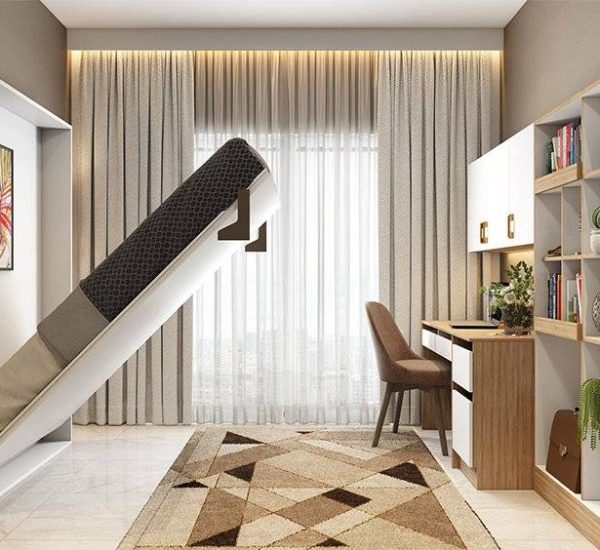
Rooms need to adapt because life rarely stays still. A spare bedroom may become an office, a study corner, a guest space, or a quiet retreat within the same year. Flexible furniture gives you options without making the room feel temporary.
A daybed with storage, a fold-down desk, or a compact table can help one room do more than one job. The goal is not to cram functions into every corner. It is to let a room shift purpose without losing dignity.
This matters for families, renters, and anyone working from home. A fixed layout can become a burden when routines change. A flexible room gives you room to adjust before frustration builds.
Living updates that support long-term ease
Some upgrades are not exciting at first glance, but they make life better for years. Better drawer systems, easy-clean surfaces, washable rugs, improved ventilation, and well-placed outlets do not scream for attention. They simply reduce effort.
This is where living updates earn their value. A charging point near a reading chair, a motion light in a hallway, or deep drawers in a kitchen can save tiny amounts of energy every day. Over months, that matters.
The smartest Nest By Choice decisions are the ones that respect your future self. Choose materials you can maintain, layouts you can adjust, and details that make daily life less demanding. Beauty should not become another chore.
Conclusion
A better home does not begin with buying more. It begins with noticing what already happens inside your rooms and asking where the space pushes back. Once you see those pressure points, the right changes become clear: softer light, cleaner storage, better seating, warmer texture, and rooms that can flex when life changes.
Nest By Choice works best when the updates feel rooted in real living rather than borrowed taste. The goal is not perfection. The goal is a home that makes ordinary days easier, calmer, and more pleasant to move through.
Start with one room and one repeated irritation. Fix that first, then let the next decision grow from the relief you feel. A home becomes beautiful when it stops fighting you and starts carrying its share of the day.
Frequently Asked Questions
What are the best Nest By Choice ideas for a small home?
Focus on flexible furniture, hidden storage, and lighter visual weight. A small home feels better when every item earns its place. Choose pieces with legs, wall-mounted storage, and soft lighting so the space feels open without losing comfort.
How can practical home updates improve daily routines?
Practical home updates remove repeated friction from your day. Better entry storage, smarter kitchen drawers, and clearer pathways make ordinary tasks faster and calmer. The result is not flashy, but you feel it every morning and evening.
What cozy living spaces work best for families?
Cozy living spaces for families need durable fabrics, layered lighting, washable rugs, and seating that invites people to gather. Comfort should survive real use. Choose rounded edges, easy-clean surfaces, and storage close to where toys, books, or blankets collect.
How do I create warm home design without clutter?
Warm home design comes from texture, light, and material choice, not from filling every shelf. Use wood, woven pieces, soft fabrics, and warm bulbs. Leave empty space around meaningful items so the room feels calm rather than crowded.
Which modern interior ideas age well?
Modern interior ideas age well when they rely on clean shape, quality materials, and balanced color. Avoid making permanent choices around short trends. Keep large pieces simple, then bring personality through art, textiles, and smaller decor.
What home decor updates make the fastest difference?
Home decor updates with the fastest impact include new lamps, larger rugs, better curtains, fresh cushions, and edited shelves. These changes alter mood quickly without major work. Lighting usually gives the biggest improvement for the least disruption.
How often should I refresh my living space?
Refresh small details every season if you enjoy change, but review larger layout choices once or twice a year. A good home does not need constant updating. It needs occasional attention when routines, needs, or moods shift.
What makes a home feel personal instead of generic?
A personal home shows evidence of real choices. Display items with memory, choose colors you return to naturally, and avoid copying full room looks. The space should reflect how you live, not how a catalog arranges furniture.