
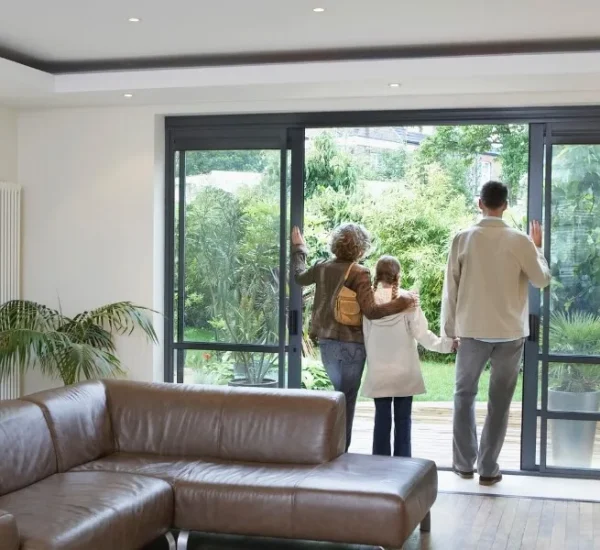
A home can look expensive and still feel wrong. That gap is where good design starts to matter, because the rooms you live in every day need more than polished surfaces and matching furniture. Nest By Choice Trends are shaping a warmer way to think about interiors: personal, calm, practical, and lived-in without feeling careless. The shift is not about chasing every new color or buying another decorative piece because a feed made it look tempting. It is about choosing what earns space in your home and letting the rest go.
People are tired of rooms that photograph well but fail real life. A kitchen needs to survive rushed mornings, a sofa needs to welcome tired bodies, and a bedroom needs to feel like a genuine landing place. Even broad home design insights now point toward spaces that carry more emotional weight, not rooms built only for display. That is why modern home styling keeps moving toward comfort with discipline, character with restraint, and beauty that does not get in your way.
Why Nest By Choice Trends Are Moving Homes Toward Intentional Comfort
The strongest homes right now feel edited, not empty. You can sense when a room has been shaped around habits instead of trends alone. A chair sits where someone actually reads. A lamp warms the corner that used to feel forgotten. A dining table holds more than plates; it holds the rhythm of the household. This is where cozy home ideas become useful, because comfort stops being a soft word and turns into a design decision.
Cozy home ideas that work beyond the first impression
Comfort fails when it becomes decoration only. A pile of cushions might look inviting, but if you move half of them before sitting down, they are not helping the room. Strong cozy home ideas begin with how the space behaves when nobody is staging it. The blanket within reach matters more than the basket bought only to hold it.
A living room gives the clearest example. Many people buy a large sofa, push it against the wall, and wonder why the room still feels stiff. Pulling seating closer, adding a low table, and placing warm lighting near eye level can change the mood before a single new item enters the home. Comfort often comes from distance, height, and touch.
Texture also carries more weight than people admit. Linen curtains, a wool rug, a wooden tray, or a ceramic lamp base can soften a room without making it look crowded. The counterintuitive part is that comfort often improves when you remove pieces, not when you add more. A room needs breathing room before it can feel welcoming.
Modern home styling that respects real routines
Modern home styling works best when it stops pretending every household lives the same way. A family with school bags near the door needs a different entry setup from someone who comes home with a laptop and gym shoes. Design should meet the mess where it begins, not scold people after it appears.
A narrow hallway, for example, can become one of the hardest-working parts of a home. A slim bench, two hooks per person, and a closed shoe cabinet can prevent daily clutter from spreading into the living room. That small zone may never become the most photographed corner, but it can rescue the rest of the house from chaos.
The sharpest homes have rules that feel natural. Keys land in one bowl. Chargers sit in one drawer. Mail has one tray and no second chance to drift. Modern home styling is not about making life look cleaner than it is; it is about giving ordinary life better places to land.
Materials, Color, and Light Are Replacing Loud Decoration
Once comfort has a structure, the mood of the home begins to matter more. This is where many interiors either mature or become noisy. The old habit was to decorate by adding visible statements: a bold wall, a shiny fixture, a busy print, a dramatic centerpiece. The better move now is quieter. Natural materials, layered color, and gentle light are doing the work that oversized decoration used to carry.
Interior design trends built on texture instead of clutter
Interior design trends have shifted away from rooms that shout for attention. The richer direction is tactile: surfaces that age well, fabrics that soften with use, and finishes that do not look ruined after one scratch. This explains the return of wood grain, limewash-style walls, woven shades, stone accents, and matte finishes.
A kitchen with plain cabinets can feel flat under harsh lighting and glossy counters. Add warm wood stools, a clay vase, soft under-cabinet light, and a natural runner, and the same kitchen begins to feel grounded. Nothing dramatic happened. The room simply gained depth.
The useful lesson is that texture creates interest without demanding constant upkeep. A patterned object can tire the eye after a month, but a good material keeps revealing small differences. Interior design trends that lean on texture tend to last longer because they do not depend on novelty. They depend on the human attraction to things that feel honest.
Timeless home decor through softer color choices
Color has become less about making a statement and more about setting a pace. Many homeowners now want rooms that lower the volume after a long day. That does not mean every wall must be beige. It means colors need to work together instead of competing for control.
Soft greens, clay tones, muted blues, warm whites, and smoky browns can make a home feel settled. A bedroom painted in a gentle mushroom shade, paired with white bedding and dark wood, can feel calmer than a room filled with expensive objects. Timeless home decor often begins with restraint because restraint lets the right details speak.
The mistake is treating neutral as safe and color as risky. Bad neutral rooms can feel cold, while thoughtful color can feel steady. A dusty olive cabinet, a terracotta lamp, or a faded blue chair can carry personality without turning the room into a theme. The best color choices feel like they belong to the home, not to a season.
Personal Spaces Are Becoming More Honest and Less Perfect
After mood comes identity. A home that looks calm but says nothing about the people inside can feel oddly vacant. The next wave of interiors is not chasing perfect rooms. It is making room for evidence: books that get read, art with a backstory, family objects, handmade pieces, and furniture that does not all come from the same catalog. Nest By Choice Trends fit this movement because they favor chosen character over showroom perfection.
Timeless home decor with personal evidence
Timeless home decor does not mean plain, formal, or expensive. It means the room can keep aging without feeling trapped in last year’s taste. Personal evidence helps. A framed note, a travel bowl, a restored side table, or a wall of mismatched art can give a room staying power because it carries memory.
A common mistake is hiding every personal item to make the house look cleaner. That can leave rooms feeling polite but thin. The better approach is curation. Display fewer objects, but choose the ones with weight. A shelf with six meaningful pieces usually beats a shelf filled edge to edge with objects bought to fill silence.
This is where imperfection earns its place. A vintage table with marks can feel better than a flawless new one if it gives the room a sense of time. Homes should not feel like nobody has touched them. They should feel like the right people have.
Cozy home ideas for private corners and small rituals
The most loved spaces are often small. A reading chair beside a window, a tea corner in the kitchen, a writing desk under a quiet lamp, or a soft landing zone near the bed can shift how a home feels. Cozy home ideas become more powerful when they support a ritual instead of decorating an empty spot.
A corner does not need much to become useful. Good light, a surface for a cup, a place to sit, and one texture that feels good to touch can change the way you use a room. People often ignore corners because they seem too small to matter, but small spaces can hold the most personal parts of a day.
The surprise is that these corners can make a larger home feel more complete. Big rooms impress guests, but small rituals keep you attached to the place. A house becomes a home through repetition: morning coffee in the same chair, shoes off in the same place, a lamp turned on at the same hour each night.
Function Is Becoming the New Luxury in Everyday Homes
A beautiful home loses authority when it makes daily life harder. That truth is finally shaping design choices in a stronger way. People want storage that hides what needs hiding, furniture that moves with their lives, surfaces that clean without drama, and rooms that can change roles without collapsing into clutter. Luxury now looks less like excess and more like ease.
Modern home styling for flexible rooms
Rooms are carrying more jobs than they used to. A guest room may also be an office. A dining table may handle homework, bills, and weekend meals. A living room may need to work for movie nights, quiet reading, and visitors. Modern home styling has to respect that pressure.
The best flexible rooms do not announce every function at once. A wall-mounted desk can close down after work. A storage ottoman can hold games without looking like a toy box. A daybed can turn a spare room into both a lounge and a guest space. The room stays calm because the functions have boundaries.
A strong example is the small apartment living area. Instead of buying more furniture, the owner might choose nesting tables, a bench with storage, and a dining chair that looks good enough to sit at a desk. The room does not get larger, but it becomes smarter. Good function often feels like extra square footage.
Interior design trends that make storage feel built-in
Storage has stopped being a background issue. It now shapes whether a home feels peaceful or tense. Open shelves can look lovely, but they punish anyone without the time to style them every week. Closed storage, mixed with a few open display areas, gives a home more forgiveness.
Interior design trends now favor storage that blends into architecture. Built-in cabinets, full-height wardrobes, under-stair drawers, banquette seating, and concealed laundry zones help reduce visual noise. Even renters can borrow the idea with tall bookcases, skirted tables, and matching baskets tucked into open units.
The honest point is simple: clutter is often a design failure before it becomes a discipline problem. When a room has no proper place for daily items, those items will win. Give them a place that is easy to reach and easy to close, and the whole home begins to feel lighter.
Conclusion
The next stage of home design will not reward people who copy rooms from a screen. It will reward those who understand how they live and make sharper choices from there. A home does not need more objects to feel complete; it needs better decisions about comfort, light, storage, color, and memory. That is the quiet strength behind Nest By Choice Trends: they point toward homes that serve real days instead of staged moments.
Start with one room, not the whole house. Notice where clutter gathers, where light feels harsh, where nobody sits, and where the space feels more decorated than loved. Then make one decision that improves daily life before buying anything new. Choose the lamp, remove the extra chair, soften the color, clear the surface, or create the corner you keep wishing existed. The best home trend is the one that still feels right when the door closes and real life begins.
Frequently Asked Questions
What are the best Nest By Choice trends for homes this year?
The best direction is warm, useful, and personal. Focus on natural textures, flexible furniture, soft lighting, closed storage, and meaningful decor. The goal is a home that feels calm and lived-in, not a room arranged only for photos.
How can I use cozy home ideas in a small living room?
Start by improving the seating layout, lighting, and texture. Bring chairs closer, add a warm lamp, use a soft rug, and keep surfaces clear. Small living rooms feel better when every piece has a role and nothing blocks movement.
Which modern home styling choices make a home feel bigger?
Choose furniture with visible legs, use lighter window treatments, keep storage vertical, and avoid crowding walls with decor. A room feels larger when the eye can move easily and daily items have closed places to disappear.
What interior design trends are easiest to apply on a budget?
Paint, lighting, textiles, and layout changes offer the strongest impact for less money. Moving furniture, changing lamp bulbs, adding curtains, or replacing a tired rug can shift the whole mood without a major renovation.
How do I create timeless home decor without making rooms boring?
Mix calm foundations with personal pieces. Use simple walls, quality textures, and a restrained color palette, then add art, books, ceramics, or vintage finds with meaning. Timeless rooms still need character, or they begin to feel blank.
What colors work best for warm home interiors?
Warm whites, muted greens, clay, sand, mushroom, soft brown, and faded blue work well in many homes. These shades create depth without shouting. Test samples at different times of day because light can change the color completely.
How can storage improve the look of my home?
Good storage removes visual noise. Closed cabinets, baskets, built-ins, and furniture with hidden compartments help daily items stay accessible without taking over the room. A calmer home often begins with fewer things left in sight.
Why does lighting matter so much in home design?
Lighting controls mood faster than furniture does. Harsh overhead light can flatten a room, while layered lamps, wall lights, and warm bulbs create depth. Good lighting makes colors softer, textures richer, and everyday spaces easier to enjoy.